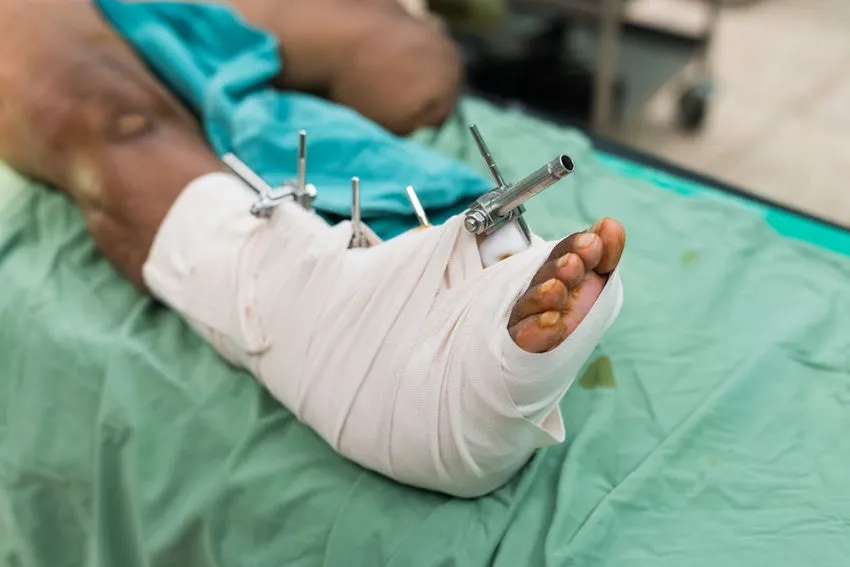
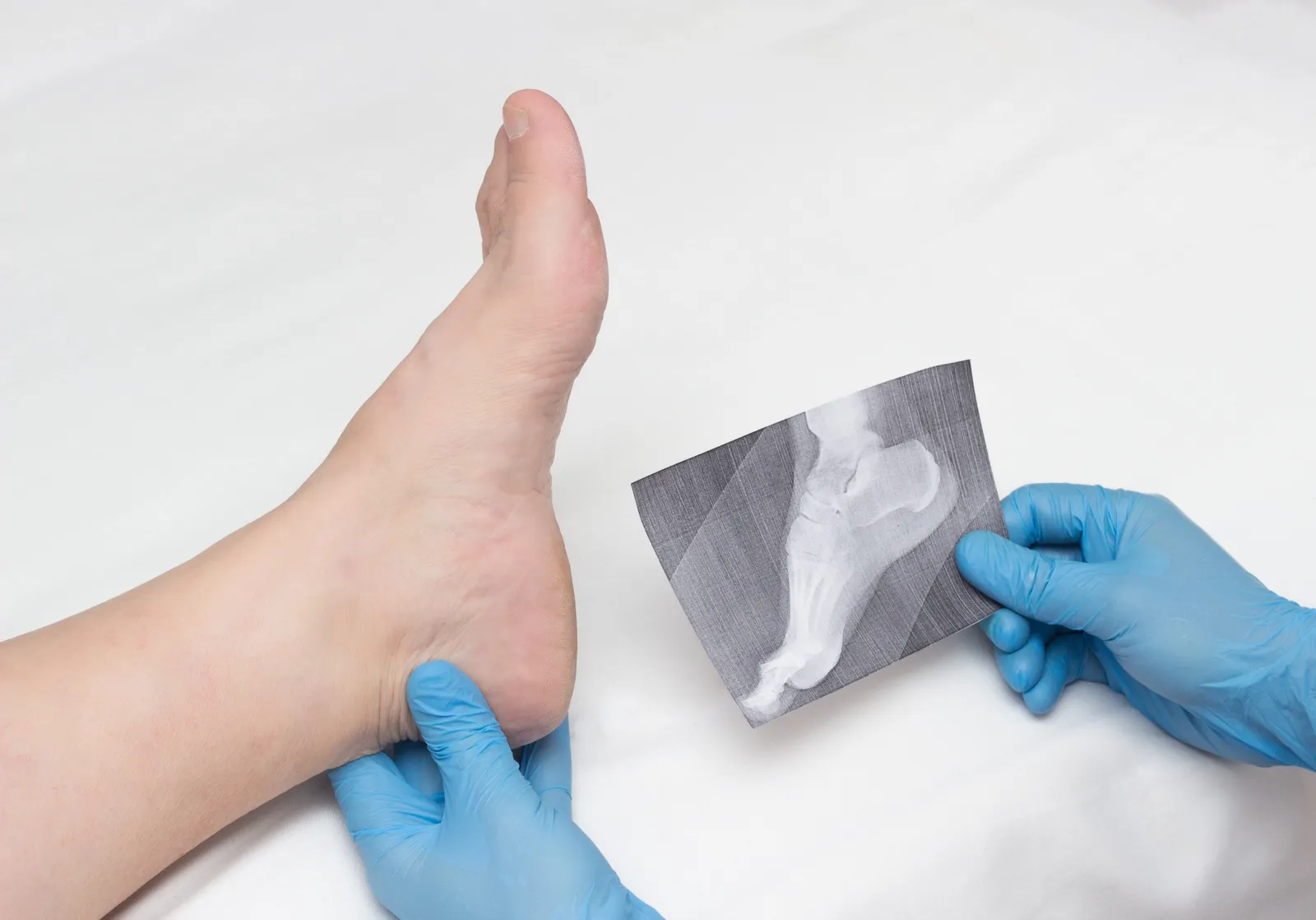
Questions to Ask Before Foot Surgery
March 10, 2026
When it comes to foot surgery, preparation isn't just about knowing what will happen in the operating room; it's also about understanding every step leading up to it and beyond. Our consultations with patients often reveal that anxiety around surgery can be mitigated significantly by being well-informed about the process.
The pre-surgical phase includes several key steps: initial assessments, diagnostic tests, and discussions of surgical techniques and anesthesia options. Each patient’s journey is unique, so we focus on individual needs during consultations to ensure all concerns are addressed. During this time, patients should inquire about recovery expectations, potential risks, and the role of physical therapy in rehabilitation.
One of the most crucial aspects of preparing for foot surgery is managing expectations. It's essential that patients understand not only the technical details but also how these will impact their daily lives post-surgery. For instance, we often find that patients are surprised by the amount of recovery time required or the adjustments needed to accommodate physical therapy routines. By discussing these factors openly and honestly during consultations, patients can approach their surgery with greater confidence and clarity.
Understanding the Journey: What to Expect Pre-Surgery
The path to foot surgery begins long before you step into the operating room. Knowing what to expect at each stage can significantly reduce anxiety and improve outcomes. The initial consultation is a pivotal moment where patients meet with podiatric surgeons to discuss their condition, treatment options, and surgical plans.
During this phase, several key terms come into play: 'podiatric consultation,' 'pre-operative evaluation,' and 'surgical planning.' Understanding these terms can help demystify the process. A podiatric consultation involves a thorough examination of your foot condition, including medical history, current symptoms, and any previous treatments. The pre-operative evaluation assesses your overall health to ensure you're fit for surgery.
Surgical planning is where decisions about the type of procedure, anesthesia options, and post-operative care are made. This stage involves detailed discussions with your surgeon about the expected outcomes, potential risks, and recovery timeline. By understanding these terms and processes, patients can feel more in control of their healthcare journey.
Decoding Surgical Options: A Comprehensive Overview
Foot surgery encompasses a wide range of procedures, each tailored to address specific conditions. These include minimally invasive surgeries, which use smaller incisions and result in quicker recovery times, and traditional open surgeries, which are often necessary for more complex cases.
The choice between these options depends on several factors: the severity of your condition, your overall health, and your lifestyle needs. For example, a younger patient with an active lifestyle might opt for minimally invasive surgery to minimize downtime. Conversely, someone with multiple underlying health issues may require traditional surgery for comprehensive treatment.
Historically, podiatric surgeries have evolved significantly over the years. Advances in medical technology and surgical techniques have led to improved outcomes and reduced recovery times. For instance, laser therapy has become a valuable tool in treating various foot conditions by stimulating natural healing processes.
Crafting Your Consultation: Key Questions to Ask
Your consultation with the podiatric surgeon is an opportunity to gain clarity on your surgical journey. It's essential to come prepared with questions that cover all aspects of your surgery and recovery. Start by asking about the specific surgical techniques that will be used, including the benefits and potential risks associated with each method.
Inquire about anesthesia options and what to expect during the recovery process. Understanding how pain management will be handled post-surgery can alleviate a lot of anxiety. Additionally, ask about any lifestyle modifications you may need to make before and after surgery. For example, you might need to adjust your diet or avoid certain activities.
Prepare a list of questions that cover all aspects of your care:
- What are the benefits and risks of my chosen surgical technique?
- How will pain be managed during and after surgery?
- Will I need physical therapy, and if so, for how long?
- Are there any lifestyle changes I should make before or after surgery?
- What are the potential complications, and how are they managed?
By asking these questions, you can ensure that you fully understand your treatment plan and feel confident in your decision to proceed with surgery.
Planning for Recovery: Strategies That Work
The post-surgery recovery phase is just as important as the surgical procedure itself. Proper planning can significantly enhance your healing process. Physical therapy routines are a cornerstone of effective rehabilitation, helping to restore mobility and strength in your foot.
Lifestyle adjustments may also be necessary during this period. For instance, you might need to use assistive devices like crutches or a walker for a few weeks. Custom orthotics can provide additional support and stability as you recover. Advanced treatments such as laser therapy can accelerate healing by stimulating natural tissue regeneration.
Here are some strategies that can aid in your recovery:
- Follow your physical therapist's instructions closely to ensure proper rehabilitation.
- Make necessary adjustments to your home environment, such as removing trip hazards and installing grab bars in the bathroom.
- Stay hydrated and maintain a balanced diet to support tissue healing.
By implementing these strategies, you can optimize your recovery process and return to your daily activities more quickly.
Building Confidence: Why Informed Patients Achieve Better Outcomes
The journey through foot surgery is filled with uncertainties, but being well-informed can significantly boost your confidence. Understanding the surgical options available, asking the right questions during consultations, and planning for recovery are all crucial steps in ensuring a positive outcome.
Informed patients tend to have better surgical outcomes because they actively participate in their care. By knowing what to expect at each stage of the process, patients can manage their expectations realistically and take proactive measures to support their healing. This approach not only improves physical recovery but also enhances overall well-being.
Ready for Your Next Step? Contact Premiere Pointe Podiatry Today
If you're preparing for foot surgery or need expert podiatric care, contact us today at Premiere Pointe Podiatry to schedule your consultation. Our team of experienced professionals is dedicated to providing comprehensive and compassionate care tailored to your unique needs. Take the first step towards a healthier, more mobile future with our support.
Frequently Asked Questions
What can I expect during my initial consultation at Premiere Pointe Podiatry?Your initial consultation with us is an essential step in your journey towards healthier feet and improved mobility. Here's what you can expect:
- Medical History Review: We'll begin by discussing your medical history, current medications, and any previous foot or ankle issues.
- Physical Examination: Our podiatric professional will perform a thorough examination of your feet and ankles, assessing their structure, alignment, and function. This may involve observing your gait, checking joint mobility, and evaluating your reflexes.
- Diagnostic Testing: Depending on your symptoms, we might order X-rays or other imaging tests to gain more insight into the underlying cause of your discomfort.
- Discussion of Treatment Options: Based on our findings, we'll discuss appropriate treatment options tailored to your unique needs. This could include both conservative and surgical approaches.
We encourage you to ask questions throughout the consultation process. Our team is committed to ensuring you feel informed and confident about your foot health and the recommended course of action.
What kind of surgical procedures does Premiere Pointe Podiatry perform?Our skilled podiatric surgeons perform a wide range of surgical procedures designed to alleviate pain, improve mobility, and correct structural issues in your feet and ankles. Here are some of the most common surgeries we offer:
- Bunion Surgery: Also known as a bunionectomy, this procedure aims to realign the bones in your big toe joint, reducing pain and improving function.
- Hammertoe Surgery: During this procedure, our surgeons can remove small sections of bone or straighten the affected toes using wires or pins, correcting the deformity and relieving discomfort.
- Plantar Fasciitis Surgery: In severe cases, we may recommend surgery to detach the plantar fascia from the heel bone, reducing inflammation and alleviating pain.
- Minimally Invasive Foot Surgery: Using tiny incisions and specialized instruments, our surgeons can perform procedures such as arthroscopy, which allows for faster healing times, less scarring, and reduced postoperative pain.
- Reconstructive Surgeries: For complex foot and ankle problems, we offer reconstructive surgeries that aim to restore normal function and alignment. These may involve bone fusions, joint replacements, or tendon transfers.
Our surgical team stays up-to-date with the latest techniques and technologies to ensure you receive the best possible care tailored to your specific needs.
What are some signs that I might need foot surgery?While not everyone who experiences foot pain will require surgery, there are several signs that may indicate a surgical intervention could be necessary. Consider consulting with our podiatric specialists if you're experiencing any of the following:
- Persistent Pain: If your foot or ankle pain has not improved after trying conservative treatment options such as rest, ice, compression, and elevation (RICE), medication, or physical therapy for an extended period.
- Limited Mobility: When you have difficulty walking, standing, or moving your feet due to discomfort, stiffness, or instability. This can significantly impact your quality of life and make it challenging to perform daily activities.
- Deformities: Visible deformities such as bunions, hammertoes, or flat feet that cause pain, rubbing, or difficulty fitting into footwear. These conditions may worsen over time if left untreated.
- Swelling and Redness: Prolonged swelling and redness in your feet or ankles can indicate an underlying condition that may require surgical intervention to prevent further complications or permanent damage.
- Instability: A feeling of instability, weakness, or giving way in your feet or ankles, which could be due to damaged tendons or ligaments. This can increase the risk of falls and injuries.
It's essential to remember that only a thorough examination by one of our podiatric professionals can determine whether surgery is the best course of action for your specific condition. We encourage you to schedule an appointment if you're concerned about any of these signs or other foot-related issues.
How long does it take to recover from foot surgery?The duration of recovery following foot surgery varies depending on the type and extent of the procedure performed, as well as each individual's healing abilities. In general, you can expect a recovery period ranging from several weeks to several months. Here are some factors that may influence your recovery time:
- Type of Surgery: More invasive procedures typically require longer recovery periods than minimally invasive ones.
- Postoperative Care: Following our team's instructions for wound care, medication management, and rehabilitation exercises is crucial for a successful recovery. Neglecting these guidelines may prolong your healing time.
- Age and Overall Health: Younger patients with no underlying health conditions tend to recover more quickly than older adults or those with certain medical issues.
Our podiatric team will provide you with detailed post-operative instructions and a rehabilitation plan tailored to your specific needs. We'll also schedule follow-up appointments to monitor your progress and make any necessary adjustments to your care plan. It's essential to be patient during the recovery process and allow your body the time it needs to heal properly.
What should I do to prepare for my foot surgery?Preparing for your foot surgery involves several steps to ensure a smooth and successful procedure. Here are some tips to help you get ready:
- Attend Your Pre-Operative Appointment: During this visit, our team will perform a final examination, order any necessary pre-operative tests (such as blood work or imaging), and go over the specifics of your surgery. Make sure to ask any questions you may have at this time.
- Arrange Transportation: Due to the effects of anesthesia, you'll need someone to drive you home after your surgery. Arrange for a friend or family member to accompany you and assist with transportation.
- Prepare Your Home: Create a safe and comfortable environment at home to aid in your recovery. This may involve removing tripping hazards, setting up a recovery area with essential items within easy reach, and preparing meals ahead of time if possible.
- Stop Smoking: If you smoke, quitting or reducing the number of cigarettes you smoke can significantly improve your healing process and reduce the risk of complications after surgery.
- Stay Hydrated and Eat Healthily: Maintaining proper hydration and consuming a balanced diet rich in fruits, vegetables, lean proteins, and whole grains can promote overall health and wound healing.
Additionally, our team will provide you with specific instructions tailored to your unique needs and the type of surgery you'll be undergoing. Following these guidelines carefully will help ensure a successful outcome and a smoother recovery process.
What kind of anesthesia will I need for my foot surgery?The choice of anesthesia for your foot surgery depends on various factors, including the type and extent of the procedure, your medical history, and your personal preferences. Our podiatric team may recommend one or a combination of the following anesthesia options:
- Local Anesthesia: A numbing agent is injected into the surgical area to block pain signals during the procedure. You'll remain awake but will not feel any discomfort. This option is typically used for minor procedures and may be combined with sedation to help you relax.
- Regional Anesthesia: An injection or a series of injections are administered near nerves, numbing a larger area than local anesthesia. This approach can be useful for surgeries on the foot or ankle and allows you to remain awake during the procedure.
- General Anesthesia: Medications are administered through an IV or breathing mask to induce unconsciousness, ensuring you feel no pain and have no memory of the surgery. This option is commonly used for more extensive procedures or when local or regional anesthesia is not suitable.
Our anesthesiologist will discuss the best choice of anesthesia for your specific needs during your pre-operative appointment. They'll also review any potential risks, side effects, and post-operative care instructions to ensure a safe and comfortable surgical experience.
How can I ensure a smooth recovery process after my foot surgery?A successful recovery following foot surgery requires careful attention to your body's needs and adherence to our team's post-operative instructions. Here are some tips to help you achieve the best possible outcome:
- Follow Your Post-Operative Instructions: Our team will provide detailed guidelines for wound care, medication management, and rehabilitation exercises. Stick to these instructions carefully, as they're designed to optimize your healing process.
- Rest and Elevate: Rest is crucial for allowing your body to heal. Keep your foot elevated above heart level whenever possible during the first few days after surgery to help reduce swelling and promote recovery.
- Ice Your Foot: Applying an ice pack to your surgical site can help minimize pain, swelling, and bruising. Aim for 15-20 minutes of ice application every 3-4 hours for the first 24-72 hours after surgery, or as directed by our team.
- Avoid Walking on Your Foot: Until you're given the green light by your podiatric surgeon, avoid putting weight on your surgical foot. Use assistive devices such as crutches, a walker, or a wheelchair to help with mobility and prevent reinjury.
- Attend Your Follow-Up Appointments: Regular check-ins with our team are essential for monitoring your progress and making any necessary adjustments to your care plan. Make sure to keep these appointments as scheduled.
By following these guidelines and staying committed to your rehabilitation plan, you'll be well on your way to a successful recovery and improved foot health.
What are the risks of minimally invasive procedures?Minimally invasive foot surgery offers numerous benefits, such as smaller incisions, less scarring, faster healing times, and reduced postoperative pain. However, like any surgical procedure, it also carries some potential risks. Here are a few things to be aware of:
- Infection: Any time an incision is made in the skin, there's a small risk of infection. Our team takes strict precautions to minimize this risk, including thorough sterilization and proper wound care.
- Nerve Damage: Although rare, there's a possibility that tiny nerves near the surgical site could be injured during the procedure. This can cause temporary or, in some cases, permanent numbness or tingling.
- Recurrence of Deformity: In some instances, the original deformity may return after surgery if not properly addressed or if rehabilitation is not followed as instructed. Our podiatric surgeons will take great care to ensure the best possible outcome and provide detailed post-operative instructions to minimize this risk.
It's essential to discuss these risks and any specific concerns you have with our team during your pre-operative appointment. We're committed to helping you make an informed decision about your foot surgery and providing the best possible care throughout your treatment journey.
How can I ensure a smooth recovery process after my foot surgery?A successful recovery following foot surgery requires careful attention to your body's needs and adherence to our team's post-operative instructions. Here are some tips to help you achieve the best possible outcome:
- Follow Your Post-Operative Instructions: Our team will provide detailed guidelines for wound care, medication management, and rehabilitation exercises. Stick to these instructions carefully, as they're designed to optimize your healing process.
- Rest and Elevate: Rest is crucial for allowing your body to heal. Keep your foot elevated above heart level whenever possible during the first few days after surgery to help reduce swelling and promote recovery.
- Ice Your Foot: Applying an ice pack to your surgical site can help minimize pain, swelling, and bruising. Aim for 15-20 minutes of ice application every 3-4 hours for the first 24-72 hours after surgery, or as directed by our team.
- Avoid Walking on Your Foot: Until you're given the green light by your podiatric surgeon, avoid putting weight on your surgical foot. Use assistive devices such as crutches, a walker, or a wheelchair to help with mobility and prevent reinjury.
- Attend Your Follow-Up Appointments: Regular check-ins with our team are essential for monitoring your progress and making any necessary adjustments to your care plan. Make sure to keep these appointments as scheduled.
By following these guidelines and staying committed to your rehabilitation plan, you'll be well on your way to a successful recovery and improved foot health.
What kind of follow-up care can I expect after my foot surgery?At Premiere Pointe Podiatry, we're dedicated to providing comprehensive care throughout your surgical journey. After your foot surgery, you can expect the following follow-up care:
- Post-Operative Appointment: We'll schedule an appointment within 1-2 weeks after your surgery to check on your progress and remove any sutures or stitches if necessary.
- Regular Check-ins: Our team will schedule regular follow-up appointments to monitor your healing process, assess your rehabilitation progress, and make any adjustments to your care plan as needed. The frequency of these appointments may vary depending on the type of surgery performed and your individual healing rate.
- Rehabilitation Guidance: We'll provide detailed instructions for rehabilitation exercises and physical therapy designed to help you regain strength, flexibility, and mobility in your foot and ankle. Our team will closely monitor your progress and adjust your rehabilitation plan as required.
- Pain Management: Our podiatric professionals will work with you to manage any postoperative pain or discomfort effectively. This may involve medication, ice therapy, or other pain relief strategies tailored to your specific needs.
Open communication is essential for a successful recovery process. Don't hesitate to reach out to our team with any questions, concerns, or if you notice any unusual symptoms between scheduled appointments. We're here to support you every step of the way.

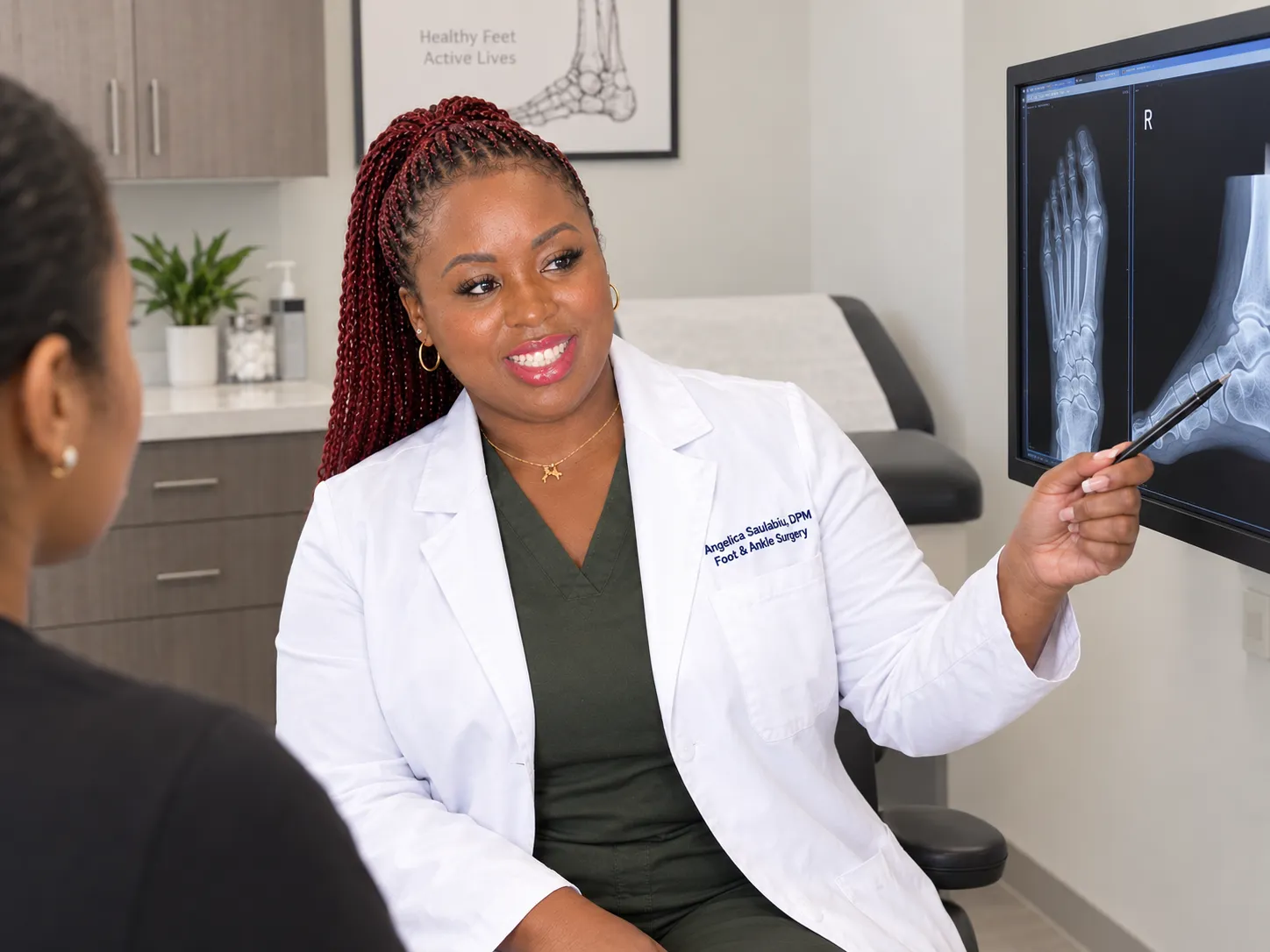
Care From Dr. Angelica Saulabiu, DPM
Dr. Saulabiu is a foot and ankle surgeon who takes time to explain what is going on and what your options are. Most visits include an exam, on-site X-rays when needed and a clear plan before you leave.