Your Foot Surgery Journey, Prep to Recovery
February 24, 2026
When it comes to maintaining our health, few things are as crucial yet often overlooked as the care and treatment of our feet. These complex structures bear the brunt of our daily activities, supporting our weight and enabling mobility. Yet, when issues arise—from chronic pain to deformities—foot surgery can be a transformative solution.
Foot surgery encompasses a broad spectrum of procedures designed to correct structural abnormalities, alleviate pain, and restore function. Whether it’s addressing bunions, hammertoes, or more complex conditions like flat feet or plantar fasciitis, the surgical approaches we employ are tailored to each patient's unique needs. Advanced techniques such as minimally invasive procedures and laser therapies have revolutionized the field, making surgeries less invasive and recovery periods significantly shorter.
While foot surgery can be life-changing, it also involves a comprehensive journey from initial consultation to post-operative care. This process requires careful preparation and a clear understanding of what to expect at every stage. By demystifying each step—from diagnostic tests and surgical preparations to the actual procedure and subsequent rehabilitation—the goal is to alleviate anxiety and ensure patients feel fully supported throughout their experience.
Understanding the Foot Surgery Process
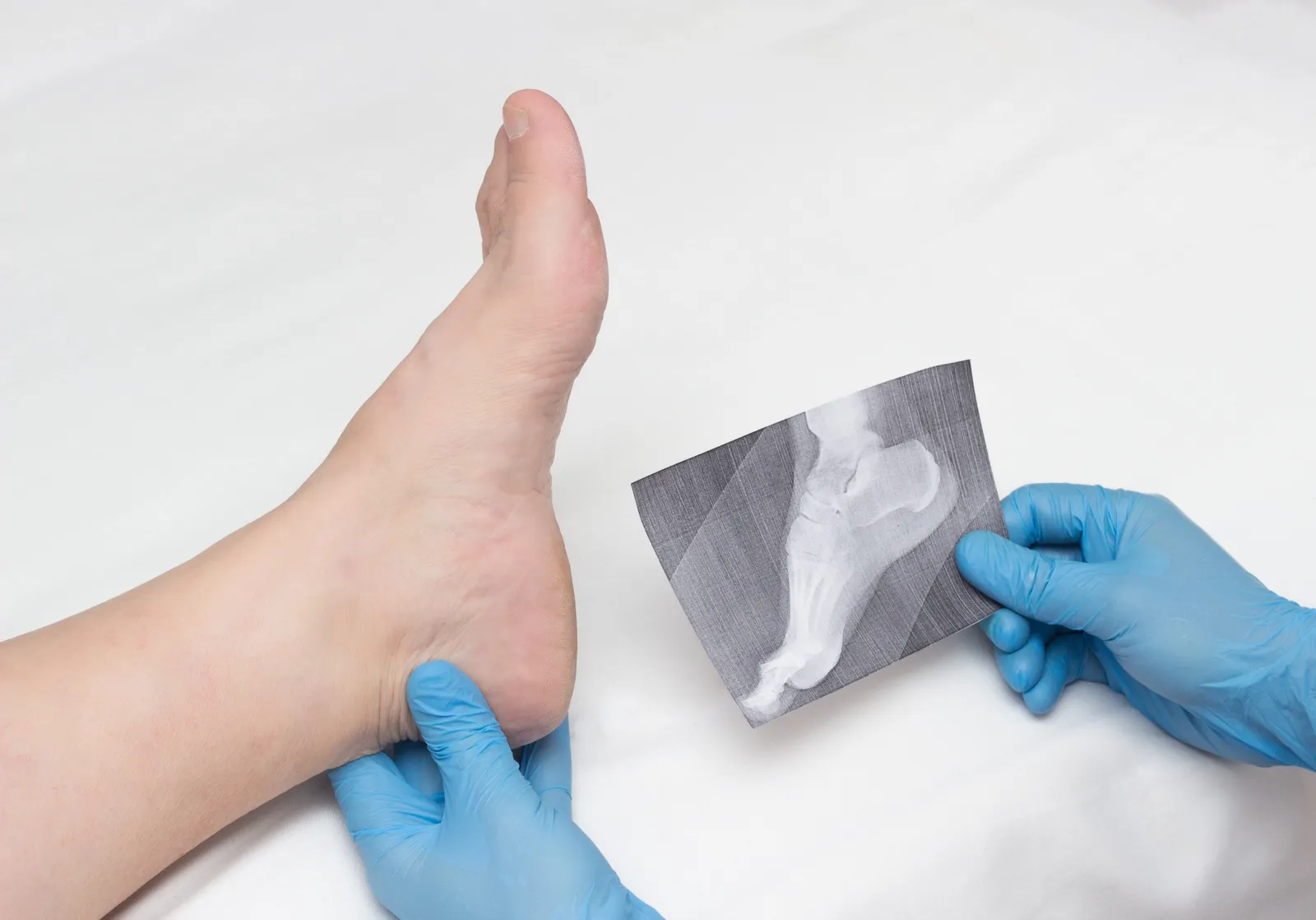
The journey through foot surgery can initially seem challenging, but by breaking it down into manageable parts, we aim to make the process more approachable. The first step involves a thorough evaluation of your condition, which typically includes consultations with podiatric specialists and diagnostic tests such as X-rays or MRIs.
These evaluations help determine the best course of action for your specific needs. For instance, minimally invasive procedures like laser therapy may be recommended for conditions that benefit from precise, non-surgical interventions. The Remy Laser system is an excellent example of cutting-edge technology that uses Class IV light energy to stimulate natural healing processes and deliver rapid relief.
Once a treatment plan is established, the next phase involves detailed preparations for the surgery itself. This includes pre-operative consultations where patients can discuss any concerns with their surgical team. It's also an opportunity to review the procedure in detail, from anesthesia options to post-surgical care instructions, ensuring that every aspect of the journey is transparent and well-understood.
Preparing for Your Consultation
The initial consultation marks a critical juncture in your foot surgery journey. This is where you'll meet with our podiatric team to discuss your medical history, current symptoms, and potential treatment options. To make the most of this visit, it’s essential to come prepared.
Gather all relevant medical records, including previous imaging results or reports from other healthcare providers. Be ready to provide a detailed account of your symptoms—when they started, how they’ve progressed, and any factors that aggravate or alleviate them. This information helps us tailor a personalized care plan just for you.
During the consultation, don’t hesitate to ask questions. Understanding your diagnosis, the recommended treatment options, and what to expect during recovery is crucial. Our approach emphasizes open communication, ensuring that every concern is addressed comprehensively. We encourage patients to voice any apprehensions or uncertainties they may have about the procedure.
What Happens in the Operating Room
Once you’ve decided on a course of action and completed all pre-operative preparations, the next significant milestone is your day in the operating room. On this day, the surgical team will guide you through every step of the process, from arrival at the facility to post-operative recovery.
The procedure typically begins with anesthesia, which can range from local numbing agents to general sedation depending on the complexity of the surgery and patient preference. After ensuring comfort, the surgical team proceeds with the operation, utilizing state-of-the-art techniques designed for optimal outcomes.
For minimally invasive procedures like laser therapy, the Remy Laser system is employed to target specific areas with precision. This method minimizes tissue damage and promotes faster healing. Whether the surgery involves correcting bunions, addressing heel pain, or managing more complex conditions, each step is carried out with meticulous care to ensure safety and efficacy.
Navigating Post-Surgery Recovery
The post-surgery phase is just as important as the operation itself. Effective recovery management can significantly impact your overall healing experience and long-term outcomes. Immediately following surgery, you’ll be transferred to a recovery area where medical staff will monitor your vital signs and manage any discomfort.
Pain management strategies play a crucial role during this period. Depending on the nature of the procedure, various medications may be prescribed to alleviate pain while minimizing side effects. Additionally, mobility aids such as crutches or specialized footwear can help you move around safely during the initial recovery phase.
A structured rehabilitation plan is essential for optimal recovery. This typically includes a combination of rest, physical therapy exercises, and gradual resumption of normal activities. Regular follow-up appointments allow your podiatric team to assess progress, make necessary adjustments, and provide ongoing support throughout your healing journey.
Long-Term Foot Health: Preventive Care and Maintenance
While immediate post-surgery care is vital for recovery, maintaining long-term foot health requires a proactive approach. Regular check-ups with podiatric specialists help detect any potential issues early on, allowing for timely intervention.
Proper footwear choices are also crucial in preventing future problems. Shoes that offer adequate support and cushioning can significantly reduce the risk of developing foot conditions. Additionally, lifestyle adjustments such as regular exercise and weight management contribute to overall foot health.
Educating yourself about foot care best practices is another essential aspect of preventive maintenance. Understanding how different activities impact your feet and knowing when to seek professional advice empowers you to take an active role in your well-being.
Contacting Premiere Pointe Podiatry
If you find yourself facing the prospect of foot surgery, remember that you’re not alone on this journey. With a dedicated team of experienced professionals and state-of-the-art facilities, we at Premiere Pointe Podiatry are committed to providing comprehensive care tailored to your unique needs. Never hesitate to contact us if you have any questions.
Frequently Asked Questions
What should I do to prepare for my upcoming foot surgery at Premiere Pointe Podiatry?Congratulations on taking the first step towards improving your foot health! At Premiere Pointe Podiatry, we believe that proper preparation is key to a successful surgery and smooth recovery. Here are some steps you can take:
- Attend Your Pre-Operative Appointment: Our team will discuss the surgical plan in detail, answer any questions you may have, and ensure you understand what to expect before, during, and after your procedure.
- Discontinue Certain Medications: We may ask you to stop taking certain medications or supplements that could interfere with blood clotting or anesthesia. Your surgeon will provide a list of medications to avoid prior to surgery.
- Stop Smoking: If you're a smoker, quitting at least two weeks before your surgery can help improve circulation and wound healing.
- Arrange for Transportation: You'll need someone to drive you home after your surgery. Make sure to arrange this in advance.
- Prepare Your Home: Before your surgery, make any necessary adjustments to your home to ensure a comfortable recovery. This might include setting up a chair with a footrest, ensuring you have everything you need within reach, and removing any tripping hazards.
The duration of your recovery depends on the type of procedure performed and your individual healing process. At Premiere Pointe Podiatry, we strive to provide you with a realistic timeline during your consultation and post-operative appointments. Here's a general idea of what to expect:
- Minimally Invasive Procedures: Recovery from these procedures is generally faster. You may be able to return to light activities within a few days to a week, but it can take several weeks for complete healing.
- Complex Surgeries: Recovery from more complex surgeries, such as those involving bones or multiple structures, can take several months. During this time, you'll need to follow our team's instructions regarding weight-bearing, activity levels, and rehabilitation exercises.
Regardless of the procedure, it's crucial to attend your follow-up appointments at Premiere Pointe Podiatry. These visits allow us to monitor your progress, address any concerns, and adjust your recovery plan as needed.
What are some signs that I should contact my podiatrist after foot surgery?After your foot surgery at Premiere Pointe Podiatry, it's normal to experience some discomfort and swelling. However, it's essential to know when these symptoms warrant a call or visit to our office. Contact us immediately if you notice any of the following:
- Fever: A temperature above 100.4°F (38°C) could indicate an infection.
- Severe Pain: While some discomfort is expected, intense pain that doesn't improve with medication or ice may signal a problem.
- Increasing Swelling: Moderate swelling is typical after surgery, but if it becomes more severe or spreads to other parts of your foot or ankle, let us know.
- Redness or Warmth: These signs can also indicate an infection. If you notice redness or warmth around the surgical site, don't hesitate to call our office.
- Numbness or Tingling: While some numbness is normal after surgery, persistent or worsening numbness could be a sign of nerve damage or other complications.
- Drainage from the Incision Site: If you notice any drainage from the surgical site, even if it's minimal, please contact our office. We may need to assess and treat this to prevent infection.
Additionally, always feel free to reach out with any questions or concerns regarding your recovery. Our team at Premiere Pointe Podiatry is here to support you every step of the way.
What kind of anesthesia will be used during my foot surgery?At Premiere Pointe Podiatry, our skilled surgeons use various types of anesthesia to ensure your comfort and safety during foot surgery. The choice of anesthesia depends on the procedure's complexity, your medical history, and personal preferences. Here are some options we may consider:
- Local Anesthesia: A local anesthetic is injected directly into the surgical area to numb it. This option is commonly used for minor procedures and allows you to remain awake during the surgery.
- Regional Anesthesia (Nerve Block): In this method, an anesthetic is injected near a nerve or group of nerves to block pain in a larger area. For foot surgeries, a popliteal block or ankle block may be used, allowing you to remain awake but without feeling pain.
- General Anesthesia: Administered through an IV or breathing mask, general anesthesia puts you into a deep sleep throughout the surgery. This option is typically reserved for more complex procedures or when local or regional anesthesia isn't suitable.
- Sedation: Sometimes used in combination with local or regional anesthesia, sedation helps you relax and may make you feel groggy but not fully asleep.
Our anesthesiologist will discuss the best option for your specific needs during your pre-operative appointment. They will also monitor you closely throughout the procedure to ensure your safety and comfort.
How can I manage pain after foot surgery?Pain management is an essential part of your recovery journey at Premiere Pointe Podiatry. Our team will develop a personalized plan to help you cope with post-operative discomfort. Here are some strategies we may recommend:
- Prescription Medication: We may prescribe pain medication, such as opioids or non-opioid alternatives like ibuprofen or acetaminophen, to help manage your pain effectively.
- Ice Therapy: Applying an ice pack to the surgical area for 15-20 minutes, three to four times a day, can help reduce swelling and numb pain. Be sure to protect your skin with a thin towel or cloth between the ice pack and your foot.
- Elevation: Keeping your foot elevated above heart level helps minimize swelling and promotes healing. Use pillows or wedges to prop up your foot when sitting or lying down.
- Rest: Follow our team's instructions regarding weight-bearing and activity levels. Stick to a regular sleep schedule, and give your body time to heal by avoiding strenuous activities during the initial recovery period.
- Over-the-Counter Medications: Non-steroidal anti-inflammatory drugs (NSAIDs) like ibuprofen or naproxen can help reduce pain and inflammation. Always consult our team before taking any over-the-counter medications to ensure they don't interact with your prescribed medications.
It's crucial to communicate openly with our team about your pain levels and any side effects you experience from medication. We're here to support you and make adjustments to your pain management plan as needed.
What are the risks associated with minimally invasive foot procedures?Minimally invasive foot procedures, such as those performed at Premiere Pointe Podiatry using state-of-the-art technology like the Remy Laser, offer numerous benefits, including smaller incisions, reduced scarring, and faster recovery times. However, it's essential to understand that these procedures aren't without risks. Some potential complications include:
- Infection: Any surgical procedure carries a risk of infection. Our team takes strict precautions to minimize this risk, but it's important to be aware that it can occur.
- Nerve Damage: While rare, there is a small chance that the laser or other instruments used during the procedure could cause temporary or permanent nerve damage. Our skilled surgeons take great care to avoid this complication.
- Inadequate Treatment: In some cases, minimally invasive procedures may not be sufficient to treat complex foot issues. If this is the case, our team will discuss alternative treatment options with you.
- Scarring: Although minimized with these procedures, scarring can still occur. Most scars fade over time and are barely noticeable.
During your consultation at Premiere Pointe Podiatry, we'll thoroughly discuss the risks and benefits of minimally invasive foot procedures specific to your situation. We're committed to helping you make an informed decision about your treatment plan.
What should I expect during my first post-operative appointment after foot surgery?Your first post-operative appointment at Premiere Pointe Podiatry typically occurs within 7-14 days following your foot surgery. This visit is crucial for assessing your progress and addressing any concerns or questions you may have. Here's what to expect:
- Wound Check: Our team will examine the surgical site to ensure it's healing properly and there are no signs of infection.
- X-rays or Other Imaging: Depending on the procedure performed, we may order X-rays or other imaging tests to monitor bone healing and assess your recovery.
- Discussion of Recovery Progress: We'll discuss how well you're following your recovery plan and address any challenges you're facing. Our team will also provide guidance on when you can resume specific activities, such as driving, work, or exercise.
- Pain Management Review: We'll evaluate your pain levels and adjust your medication or pain management strategy if necessary.
- Rehabilitation and Physical Therapy: If appropriate, our team will discuss rehabilitation exercises and physical therapy to help you regain strength, flexibility, and mobility in your foot. We may also provide instructions on using assistive devices like crutches or a brace.
- Follow-up Appointments: Based on your progress, we'll schedule any necessary follow-up appointments to monitor your healing and adjust your treatment plan as needed.
It's essential to attend this initial post-operative appointment as scheduled. If you have any concerns or questions before the appointment, don't hesitate to contact our office for guidance.
What kind of footwear should I wear after foot surgery?Wearing the appropriate footwear is essential during your recovery journey at Premiere Pointe Podiatry. The right shoes can help support your foot, reduce pain, and promote healing. Here are some guidelines on what to look for in post-operative footwear:
- Comfort: Opt for soft, flexible materials that won't irritate or put pressure on the surgical site.
- Support: Choose shoes with good arch support and cushioning to help distribute your weight evenly and reduce stress on your foot.
- Stability: Look for shoes with a wide base and good traction to prevent falls and maintain balance, especially if you're using assistive devices like crutches or a brace.
- Adequate Space: Ensure there's enough room in the shoe to accommodate any bandages, dressings, or orthotic devices prescribed by our team. You may also need extra depth to accommodate swelling.
- Closure: Slip-on shoes or those with Velcro straps are often more comfortable and easier to manage during recovery than lace-up shoes.
Our team at Premiere Pointe Podiatry will provide specific recommendations for post-operative footwear based on your procedure and individual needs. In some cases, we may recommend using a specialized surgical shoe or boot designed to support your foot during the healing process.
How can I prevent future foot problems?At Premiere Pointe Podiatry, we believe that maintaining healthy feet is an ongoing journey. By taking proactive steps, you can significantly reduce your risk of developing future foot issues. Here are some tips to help you keep your feet happy and healthy:
- Regular Check-ups: Schedule regular appointments with our podiatrists for routine foot examinations. Early detection of potential problems allows us to address them before they become more serious.
- Proper Footwear: Wear well-fitting, comfortable shoes that provide adequate support and cushioning. Avoid walking barefoot, especially on hard or rough surfaces.
- Regular Exercise: Engage in regular physical activity to maintain strength, flexibility, and mobility in your feet and ankles. Always warm up before exercising and cool down afterwards.
- Proper Hygiene: Keep your feet clean by washing them daily with mild soap and warm water. Trim your toenails straight across and not too short to prevent ingrown nails.
- Moisturize: Apply moisturizing lotion to your feet, especially after showering or bathing, to keep the skin soft and prevent cracking.
- Manage Chronic Conditions: If you have diabetes or other chronic health conditions that affect your feet, follow our team's advice for managing these conditions to minimize foot complications. This may include monitoring blood sugar levels, checking your feet daily for signs of injury or infection, and maintaining good circulation through regular exercise.
By incorporating these preventive measures into your routine, you can significantly improve your overall foot health and reduce the risk of future problems. Our team at Premiere Pointe Podiatry is here to support you every step of the way.
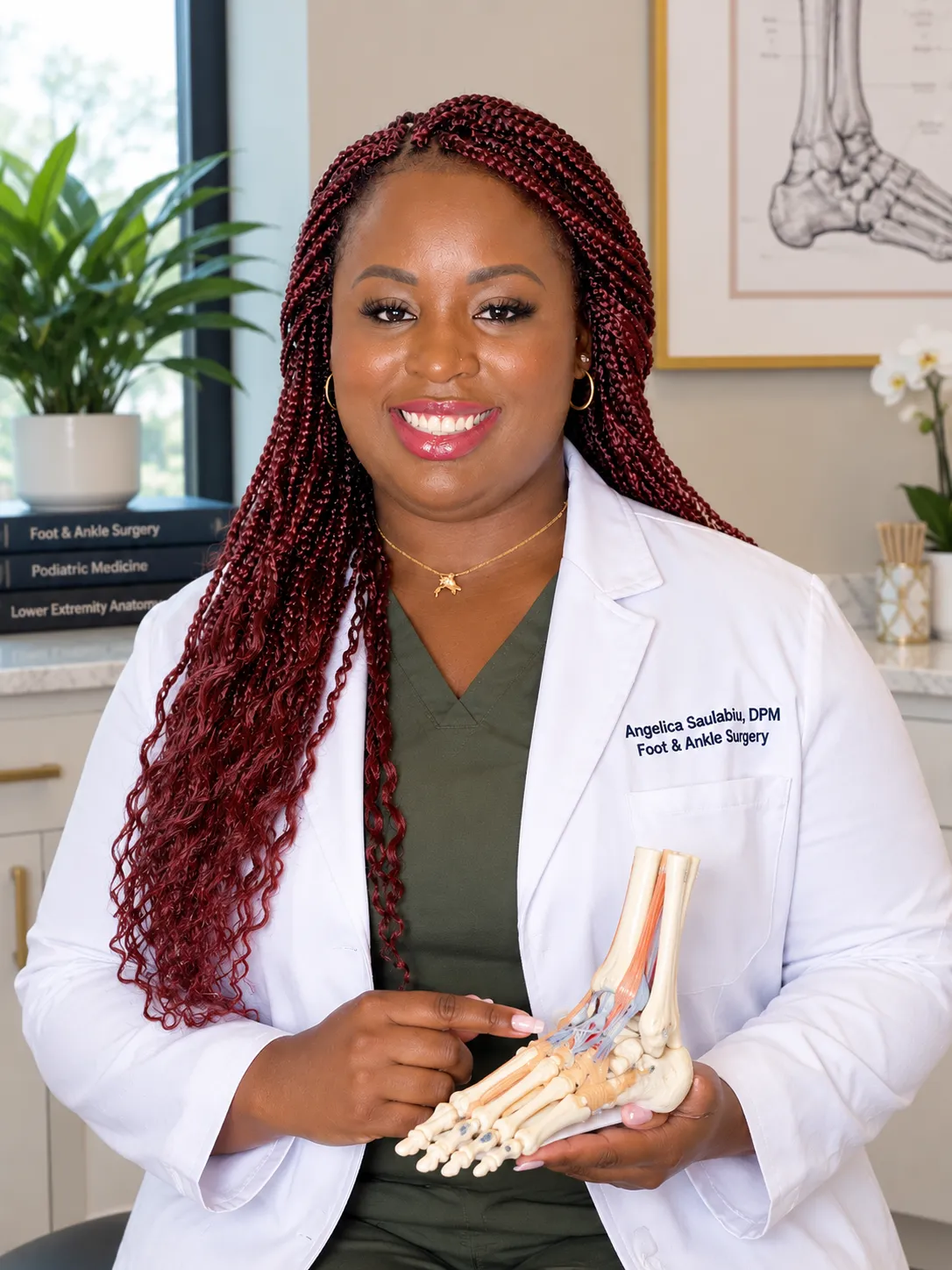
Care From Dr. Angelica Saulabiu, DPM
Dr. Saulabiu is a foot and ankle surgeon who takes time to explain what is going on and what your options are. Most visits include an exam, on-site X-rays when needed and a clear plan before you leave.