Navigating Foot Surgery Options
February 10, 2026
Foot pain isn’t just something to live with; it’s often a sign that something more serious is wrong. Our feet are our foundation, bearing the brunt of every step we take. Yet when persistent foot or ankle issues arise, they can significantly impact our daily lives and mobility.
Chronic plantar fasciitis, ankle instability, and other conditions often start with discomfort but can escalate to debilitating pain. While conservative treatments like physical therapy or orthotics may help manage symptoms in the short term, for some patients, these solutions aren’t enough. We know that when persistent foot issues linger, they can lead to a cascade of problems—from reduced mobility to chronic pain.
This is where surgery comes into play as a viable solution for those whose conditions don't respond well to traditional treatments. It’s crucial for anyone experiencing long-term foot pain to understand the options available and when it might be necessary to consider surgical intervention. Our goal here is to provide clarity on how new technologies, like laser therapy, can enhance outcomes and recovery times. By demystifying foot surgery and highlighting modern techniques, we hope to empower patients with the knowledge they need to make informed decisions about their care.
Understanding Persistent Foot and Ankle Issues
The foot is an intricate structure composed of 26 bones, 33 joints, and over 100 tendons, muscles, and ligaments. This complexity makes it susceptible to a wide range of issues that can cause pain and discomfort. Some of the most common conditions include:
- Plantar fasciitis
- Bunions
- Heel spurs
- Ankle instability
- Flat feet
- Hammertoes
These conditions often begin with minor discomfort but can escalate to severe pain if left untreated. For instance, plantar fasciitis, characterized by inflammation of the thick band of tissue running along the bottom of the foot, can make walking or standing unbearable. Similarly, bunions—bony bumps that form at the base of the big toe—can cause significant discomfort and deformity over time.
Ankle instability occurs when the ligaments that support the ankle are weakened or torn, leading to frequent sprains and a feeling of the ankle giving way. Flat feet, while often painless in childhood, can lead to arch pain and other issues as adults. Hammertoes, characterized by an abnormal bend in the middle joint of a toe, can cause pain and pressure.
While these conditions vary in severity, they all share one common factor: persistent foot or ankle pain that doesn’t go away with rest or over-the-counter remedies. When conservative treatments fail to provide relief, it might be time to consider surgical options. Surgery isn't a decision to be taken lightly, but for those who have exhausted other avenues, it can offer a path to long-term relief and improved mobility.
When Conservative Treatments Meet Their Limits
Before diving into surgery, it’s essential to understand the range of conservative treatments available. These non-invasive approaches are often the first line of defense against foot pain and can be quite effective for many patients. Common conservative treatments include:
- Physical therapy: Exercises designed to strengthen muscles and improve flexibility.
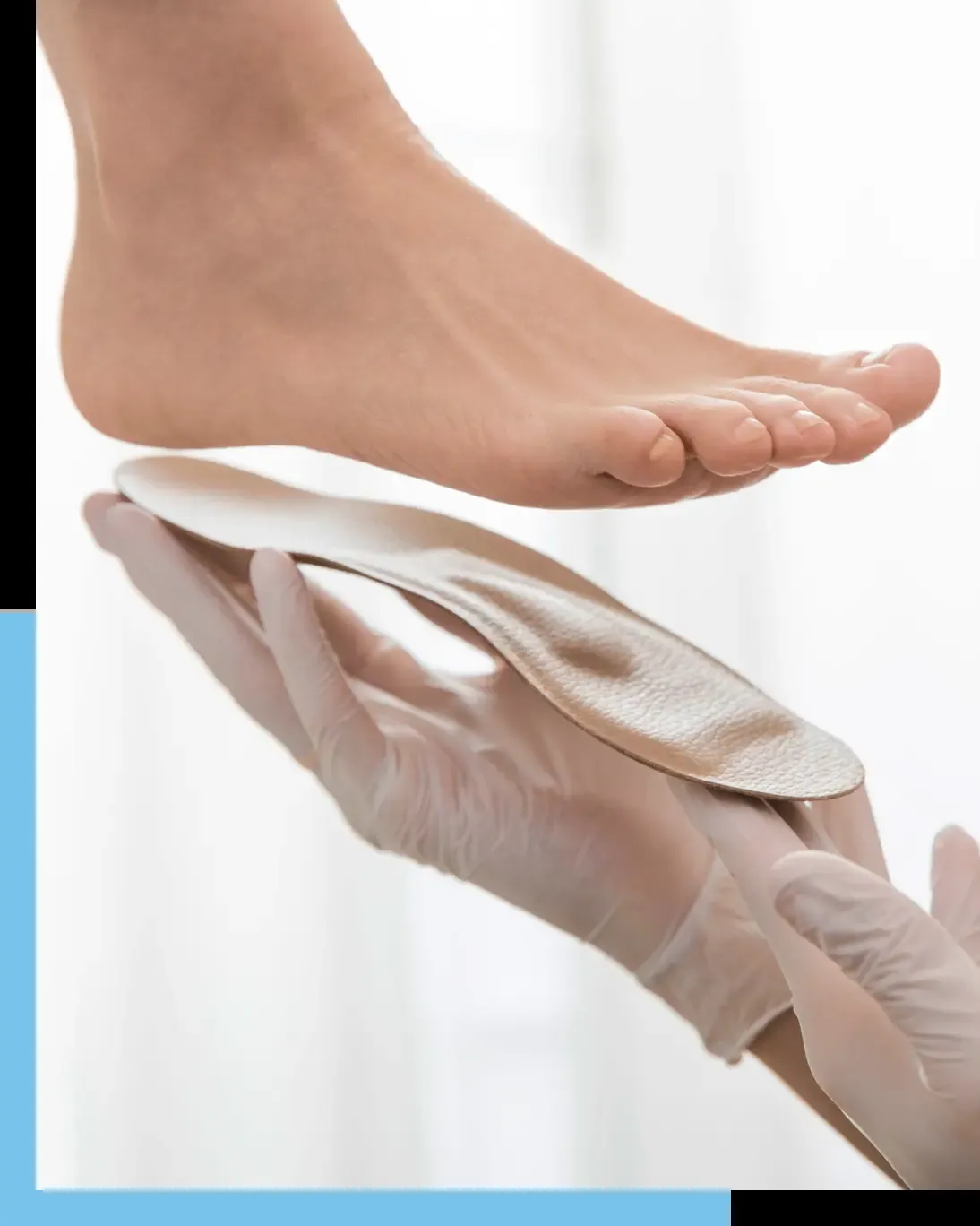
- Orthotics: Custom shoe inserts that correct foot alignment and distribute weight evenly.
- Medication management: Over-the-counter or prescription drugs to reduce pain and inflammation.
For some, these treatments can provide significant relief. Physical therapy, for example, focuses on strengthening the muscles and tendons in the feet and ankles, which can alleviate pain and improve mobility. Custom orthotics are designed to correct foot alignment issues, distributing weight evenly across the foot and reducing pressure points.
Medication management involves using over-the-counter or prescription drugs to reduce pain and inflammation. Nonsteroidal anti-inflammatory drugs (NSAIDs) like ibuprofen can be effective in managing mild to moderate pain, while corticosteroid injections may provide more targeted relief for conditions like plantar fasciitis.
However, conservative treatments aren't always enough. For some patients, these methods fail to address the underlying issue, leading to persistent pain and mobility challenges. When this happens, surgery may be the best option for achieving long-term relief. It’s important to note that surgery is typically considered only after other avenues have been exhausted.
The Role of Minimally Invasive Techniques
Minimally invasive surgical techniques represent a significant advancement in foot and ankle care. Unlike traditional open surgeries, which involve large incisions and extensive tissue disruption, minimally invasive procedures use small incisions and specialized tools to access and repair damaged structures.
The most common types of minimally invasive foot surgery include:
- Endoscopic surgery: A procedure that uses a tiny camera (endoscope) inserted through small incisions to visualize and repair internal structures.
- Arthroscopy: A technique that involves inserting an arthroscope—a thin, flexible tube with a light and camera—into the joint to diagnose and treat problems within the ankle or foot joints.
These techniques offer several advantages over traditional surgeries. Because they involve smaller incisions, patients typically experience less postoperative pain, reduced scarring, and faster recovery times. Additionally, minimally invasive procedures often result in lower infection rates and fewer complications compared to open surgeries.
However, it's essential to note that not all foot conditions are suitable for minimally invasive techniques. Patients must be carefully selected based on the specific nature of their condition, overall health, and individual needs. In some cases, traditional open surgery may still be the best option for achieving optimal outcomes.
For those who are good candidates, minimally invasive procedures can offer a faster path to recovery and improved mobility. By reducing tissue disruption and minimizing postoperative pain, these techniques enable patients to return to their daily activities more quickly and with less discomfort.
Innovative Technologies Enhancing Recovery
The landscape of podiatric care is continually evolving, thanks in part to advancements in medical technology. One such innovation that has revolutionized the field is laser therapy. This cutting-edge treatment uses focused light energy to stimulate natural healing processes within the body.
Class IV laser therapy, for example, employs high-intensity light to penetrate deep into tissues, reducing inflammation and promoting cellular regeneration. By accelerating the body's natural healing mechanisms, laser therapy can offer rapid relief from pain and discomfort while minimizing the need for invasive procedures or medications.
At Premiere Pointe Podiatry, we utilize state-of-the-art technologies like the Remy Laser to enhance recovery times and improve patient outcomes. This innovative device delivers targeted light energy to damaged tissues, stimulating healing at a cellular level. The result is faster relief from pain and inflammation, allowing patients to return to their daily activities more quickly.
To understand how laser therapy works, it’s helpful to consider its historical context. Early forms of laser treatments emerged in the 1960s, but it wasn’t until the late 20th century that advancements in technology made them a viable option for podiatric care. Today, Class IV lasers like the Remy Laser represent the pinnacle of this evolution, offering unparalleled precision and effectiveness.
For patients undergoing foot surgery or those dealing with chronic pain, laser therapy can be a game-changer. By accelerating tissue repair and reducing inflammation, it provides a non-invasive pathway to recovery that complements traditional treatments. Whether used alone or in conjunction with other therapies, laser technology offers a powerful tool for enhancing healing and improving overall patient outcomes.
As we continue to explore new technologies and techniques, the future of podiatric care looks brighter than ever. By embracing innovative solutions like laser therapy, we can provide patients with more effective and efficient pathways to recovery, ensuring that they return to their daily lives with renewed comfort and mobility.
Your Journey Through Foot Surgery: What to Expect
The decision to undergo foot surgery is a significant one, and understanding what to expect throughout the process can help alleviate anxiety and ensure a smoother experience. The typical patient journey begins with an initial consultation, where podiatric specialists assess your condition and discuss treatment options.
During this phase, you'll undergo a comprehensive evaluation that may include imaging tests like X-rays or MRIs. These diagnostic tools provide valuable insights into the underlying cause of your foot pain, helping specialists develop a personalized treatment plan tailored to your unique needs.
Once surgery is deemed necessary, the next step involves pre-operative assessments and preparations. This phase includes detailed discussions about the procedure, potential risks, and post-surgical care. You’ll also receive instructions on how to prepare for the surgery, including any necessary lifestyle changes or medications you may need to adjust.
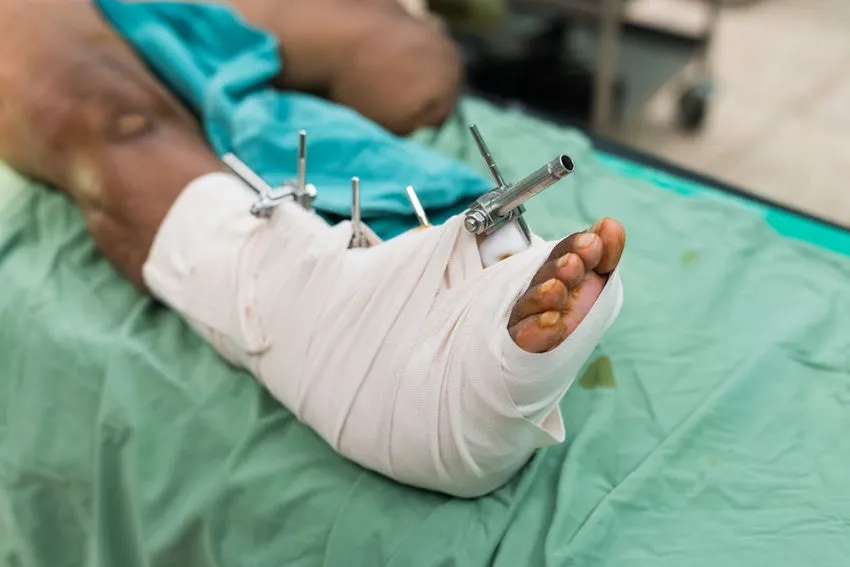
The surgical process itself varies depending on the specific procedure being performed. Generally, minimally invasive techniques are used whenever possible to minimize tissue disruption and reduce recovery times. After the surgery, patients typically spend a short period in a recovery area before being discharged home with detailed post-operative instructions.
Follow-up appointments are crucial for monitoring progress and ensuring optimal healing. During these visits, specialists assess your recovery, address any concerns or complications, and adjust treatment plans as needed. Regular check-ins also provide an opportunity to discuss any pain management strategies or physical therapy exercises that can support your recovery.
When Is Surgery the Right Choice?
Deciding when surgery is necessary involves a careful evaluation of both conservative treatments and surgical options. For many patients, conservative approaches like physical therapy or orthotics provide sufficient relief from foot pain. However, for those with persistent issues that don't respond to these methods, surgery may be the best path forward.
Understanding the factors that influence this decision can help you make an informed choice about your care. Key considerations include:
- The severity and duration of symptoms
- The impact on daily activities and quality of life
- The effectiveness of previous treatments
- Overall health and fitness level
When conservative treatments fail to provide relief, surgery can offer a more definitive solution. For instance, patients with severe bunions or chronic plantar fasciitis may find that surgery provides the best chance for long-term pain reduction.
The decision to undergo foot surgery should be made in consultation with a podiatric specialist who can evaluate your specific condition and provide personalized recommendations. Together, you can weigh the benefits and risks of surgical intervention and determine whether it aligns with your goals for recovery and improved mobility.
At Premiere Pointe Podiatry, we’re dedicated to supporting patients through every step of their journey. From initial consultations to post-operative care, our team provides compassionate, expert guidance tailored to each individual's needs. By focusing on minimally invasive techniques and cutting-edge technologies like laser therapy, we ensure that our patients experience faster recovery times and improved outcomes.
If you’re considering foot surgery or have questions about your options, don’t hesitate to contact us for more information. Our specialists are here to help you navigate the complexities of foot care and make informed decisions about your treatment plan.
Frequently Asked Questions
When should I consider foot surgery?Foot surgery is typically considered when conservative treatments have not been effective in addressing persistent foot or ankle issues. Our podiatric specialists may recommend surgery to repair structural damage, correct deformities, relieve pressure points, or address advanced stages of conditions such as arthritis or diabetes-related complications.
At Premiere Pointe Podiatry, we understand that deciding on surgery can be overwhelming. We take a personalized approach, thoroughly evaluating your condition and discussing all available options with you before proceeding with any surgical interventions. Our ultimate goal is to help you achieve long-term relief and improved mobility.
Some signs that foot surgery might be necessary include:
- Severe pain or swelling
- Limited range of motion or difficulty walking
- Persistent numbness or tingling
- Visible deformities, such as bunions or hammertoes
Minimally invasive foot surgery (MIS) offers numerous advantages over traditional open surgeries. Our podiatric surgeons at Premiere Pointe Podiatry employ MIS techniques to ensure faster recovery times, less post-operative pain, and reduced scarring.
The key benefits of minimally invasive procedures include:
- Smaller incisions, which means less tissue damage and faster healing
- Less need for general anesthesia, allowing for outpatient procedures and quicker recovery
- Lower risk of infection compared to traditional open surgeries
- Better cosmetic results with minimal scarring
Moreover, MIS allows our surgeons to be more precise in their techniques, leading to improved outcomes and higher patient satisfaction.
How does the Remy Laser help in foot surgery?The Remy Laser is a state-of-the-art technology used at Premiere Pointe Podiatry to enhance natural healing processes and improve surgical outcomes. This innovative device uses Class IV laser energy to stimulate cellular activity, promote blood flow, and reduce inflammation – all crucial factors for rapid recovery and optimal results.
In foot surgery, the Remy Laser can be employed in various ways:
- To prepare the surgical site by improving circulation and reducing swelling
- During the procedure, to help seal blood vessels and minimize bleeding
- Post-operatively, to accelerate healing, reduce pain, and decrease the risk of infection
The Remy Laser's non-invasive nature makes it an ideal complement to our minimally invasive surgical techniques, further enhancing your experience at Premiere Pointe Podiatry.
What is the recovery process like after foot surgery?Recovery from foot surgery varies depending on the type and extent of the procedure performed. At Premiere Pointe Podiatry, we provide detailed post-operative instructions tailored to your specific needs to ensure a smooth and successful healing process.
Generally, you can expect the following during your recovery:
- Rest: Avoid putting weight on your operated foot as instructed by your surgeon
- Elevation: Keep your foot elevated to help reduce swelling and promote healing
- Medication: Take prescribed pain relievers and antibiotics as directed to manage discomfort and prevent infection
- Physical therapy: Attend follow-up appointments and complete any recommended exercises or stretches to regain strength, flexibility, and range of motion
Our team will closely monitor your progress throughout the recovery period, making adjustments to your care plan as needed. With patience and dedication to your post-operative instructions, you can expect a successful return to your daily activities.
How do I know if I'm a good candidate for foot surgery?Determining if you're a suitable candidate for foot surgery involves a thorough evaluation of your medical history, the severity of your condition, and your overall health. At Premiere Pointe Podiatry, we take a comprehensive approach to assessing each patient's unique needs before making any surgical recommendations.
Some factors that may indicate you're a good candidate for foot surgery include:
- A clear diagnosis of a specific foot or ankle condition
- Persistent pain or discomfort that affects your daily life and hasn't responded to conservative treatments
- Loss of mobility, flexibility, or range of motion in the affected area
- Visible deformities causing discomfort or difficulty walking
- Stable medical health, allowing you to safely undergo a surgical procedure
During your initial consultation, our podiatric specialists will discuss your symptoms, examine your foot and ankle, and review any relevant imaging studies. We'll then work with you to develop an individualized treatment plan that addresses your specific needs and goals.
What kind of anesthesia is used during foot surgery?The type of anesthesia used during foot surgery depends on the procedure being performed, as well as your personal preferences and medical history. At Premiere Pointe Podiatry, we offer various anesthesia options to ensure your comfort and safety throughout the surgical process.
Here are some common anesthesia choices for foot surgery:
- Local anesthesia: A numbing agent is injected directly into the surgical site to block pain signals. You'll remain awake during the procedure but will feel no discomfort.
- Regional anesthesia (nerve block): Anesthetic is injected near specific nerves to numb a larger area, such as an entire foot or leg. This allows for a deeper level of numbing than local anesthesia alone.
- General anesthesia: Medications are administered intravenously or through inhalation to induce unconsciousness. This option is typically reserved for more complex procedures or when the patient has anxiety about being awake during surgery.
Our anesthesiologists will discuss each option with you, taking into account your preferences and medical needs, to determine the best choice for your foot surgery.
What advanced treatments does Premiere Pointe Podiatry offer?At Premiere Pointe Podiatry, we're committed to staying at the forefront of podiatric medicine by offering advanced treatments and state-of-the-art technologies. Our comprehensive approach ensures that you receive the most effective care tailored to your unique needs.
Some of our advanced treatment options include:
- Minimally invasive foot surgery techniques, as discussed earlier
- The Remy Laser, for enhancing natural healing processes and improving surgical outcomes
- Custom orthotics: Our on-site laboratory allows us to create personalized shoe inserts designed specifically to address your individual foot issues
- Extracorporeal shock wave therapy (ESWT): A non-invasive treatment option that uses targeted energy pulses to stimulate healing in chronic conditions like plantar fasciitis and Achilles tendinitis
- Platelet-rich plasma (PRP) injections: By concentrating the growth factors in your blood, PRP can help accelerate tissue repair and regeneration for various foot and ankle conditions
Our team of experienced podiatric specialists will work with you to determine which advanced treatments best address your specific needs, ensuring that you receive the most effective care possible.
What should I expect during my initial consultation for foot surgery?Your initial consultation at Premiere Pointe Podiatry is a crucial step in determining if foot surgery is the right course of treatment for your specific needs. Our goal is to make this process as informative and comfortable as possible, ensuring that you have all the information necessary to make an informed decision about your care.
During your consultation, you can expect the following:
- A detailed discussion of your medical history, current symptoms, and any previous treatments or procedures
- A thorough physical examination of your foot and ankle, assessing range of motion, flexibility, and any visible deformities
- Review of relevant imaging studies, such as X-rays, MRI, or CT scans, to evaluate the internal structures of your foot and ankle
- An explanation of your diagnosis and the underlying cause of your symptoms
- A detailed presentation of your treatment options, including both surgical and non-surgical approaches
- Answers to any questions you may have about the proposed treatment plan, recovery process, or potential risks and complications
Our podiatric specialists will take the time to listen to your concerns and address any apprehensions you may have regarding foot surgery. We're here to support you every step of the way.
How can I maintain healthy feet after foot surgery?Proper foot care is essential for a successful recovery following foot surgery and maintaining long-term foot health. At Premiere Pointe Podiatry, we provide detailed post-operative instructions to help you understand the importance of diligent self-care in your healing journey.
Here are some key aspects of maintaining healthy feet after foot surgery:
- Adequate rest: Allow your foot ample time to heal by avoiding strenuous activities and following your surgeon's recommendations for weight-bearing restrictions
- Proper elevation: Keep your operated foot elevated above heart level when possible to minimize swelling and promote healing
- Compression: Wear compression socks or wraps as instructed by your surgeon to support circulation and reduce post-operative swelling
- Gentle stretching and strengthening exercises: Perform the physical therapy exercises prescribed by our team to regain flexibility, strength, and range of motion in your foot and ankle
- Proper footwear: Wear comfortable, supportive shoes with plenty of room for your toes. Avoid tight-fitting or restrictive footwear during your recovery
- Regular follow-up appointments: Attend all scheduled post-operative visits to ensure that your healing is progressing as expected and make any necessary adjustments to your care plan
By adhering to these guidelines and working closely with our team, you can expect a successful recovery and improved long-term foot health.
What role does nutrition play in foot surgery recovery?A balanced diet rich in essential nutrients plays a vital role in supporting your body's natural healing processes during the recovery from foot surgery. At Premiere Pointe Podiatry, we believe that an integrative approach to health and wellness can enhance your overall experience and improve surgical outcomes.
Here are some nutritional tips to support your recovery:
- Stay hydrated: Drink plenty of water to help flush out toxins, reduce swelling, and promote healing
- Consume lean proteins: Incorporate foods rich in protein, such as poultry, fish, beans, and nuts, to aid in tissue repair and wound healing
- Aim for colorful fruits and vegetables: These nutrient-dense foods provide essential vitamins, minerals, and antioxidants that support your immune system and promote overall health
- Limit processed foods and sugars: A diet high in processed items and refined sugars can hinder the body's ability to heal and may increase the risk of post-operative complications
- Consider supplements: Discuss with our team if any specific vitamins or supplements, such as vitamin C, zinc, or omega-3 fatty acids, could benefit your recovery process
While nutrition is an important aspect of healing, it's essential to remember that it should be considered alongside other critical factors, such as adequate rest, proper wound care, and adherence to your prescribed post-operative instructions.
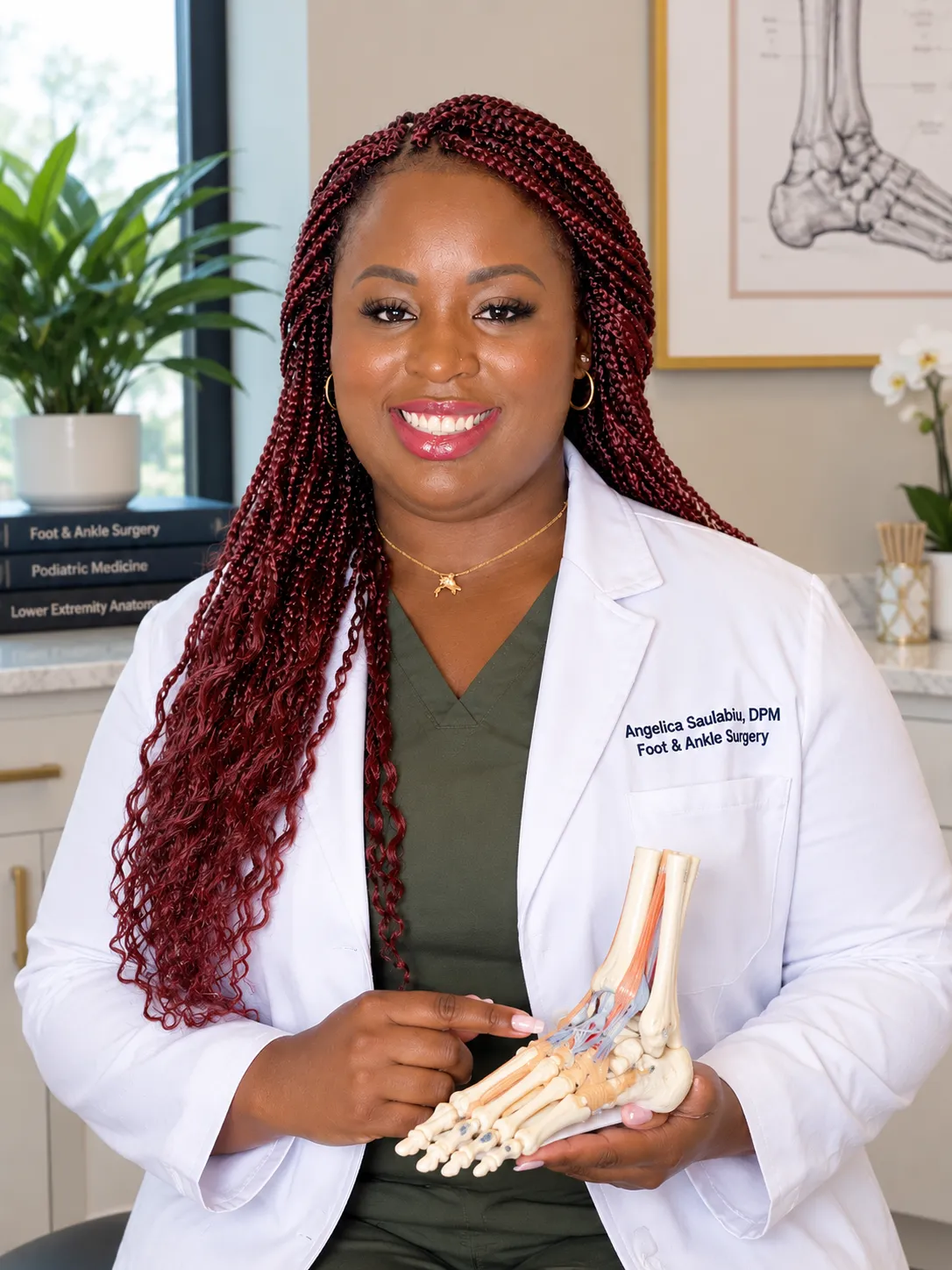
Care From Dr. Angelica Saulabiu, DPM
Dr. Saulabiu is a foot and ankle surgeon who takes time to explain what is going on and what your options are. Most visits include an exam, on-site X-rays when needed and a clear plan before you leave.