When Is Foot Surgery Necessary?
January 27, 2026
Foot pain isn’t just a nuisance; it’s a signal that something might be amiss in one of the body’s most vital systems—the foundation that supports our every movement. We spend countless hours on our feet, navigating daily activities with little thought to the intricate mechanics at play. From the first steps of the morning to the last at night, our feet bear the brunt of our active lives. Yet, when discomfort arises, it can be a jarring reminder of just how essential foot health is to overall well-being.
Foot conditions come in various forms, from minor irritations like blisters or calluses to more serious issues such as bunions, hammertoes, or plantar fasciitis. Each condition has its unique progression and treatment requirements. Initially, many foot problems can be managed through conservative treatments—non-invasive approaches that often include rest, ice, compression, elevation (RICE), orthotics, physical therapy, and medications. These methods aim to alleviate symptoms without the need for surgical intervention, making them a first-line solution for many patients.
However, as foot conditions evolve or worsen over time, conservative treatments may no longer suffice. Recognizing when it’s necessary to consider surgery can be challenging, as pain and mobility issues can become chronic if left untreated. The decision to pursue surgical intervention is often influenced by multiple factors: the severity of symptoms, the effectiveness of prior treatments, and individual patient needs. Understanding these nuances helps in making informed choices about foot health, ensuring that patients receive the most appropriate care at each stage of their condition.
Understanding the Journey of Foot Conditions
The progression of foot conditions can be complex, often starting with minor discomforts that gradually worsen if not addressed promptly. For example, a small blister or callus might seem innocuous but can develop into a larger problem over time. Similarly, a minor sprain may lead to chronic instability and pain if not properly managed.
One of the key terms to understand in this journey is 'conservative treatment.' This approach encompasses various non-surgical methods aimed at alleviating symptoms and promoting healing. Conservative treatments can include rest, ice, compression, elevation (RICE), medications, physical therapy, orthotics, and lifestyle modifications such as changing footwear or avoiding high-impact activities.
On the other hand, 'minimally invasive procedures' refer to surgical techniques that use smaller incisions and advanced technology to minimize tissue damage, reduce recovery times, and lower the risk of complications. These procedures are designed to address more severe or chronic conditions that conservative treatments cannot fully resolve. Understanding these distinctions helps patients grasp when it might be necessary to consider surgery as part of their treatment plan.
Conservative Treatments: First-Line Solutions
When foot pain strikes, the first course of action typically involves conservative treatments designed to alleviate symptoms and promote healing without resorting to surgery. These non-invasive methods are often effective in managing mild to moderate conditions and can include a range of therapies tailored to individual needs.
A variety of conservative treatments can be employed to address foot issues effectively:
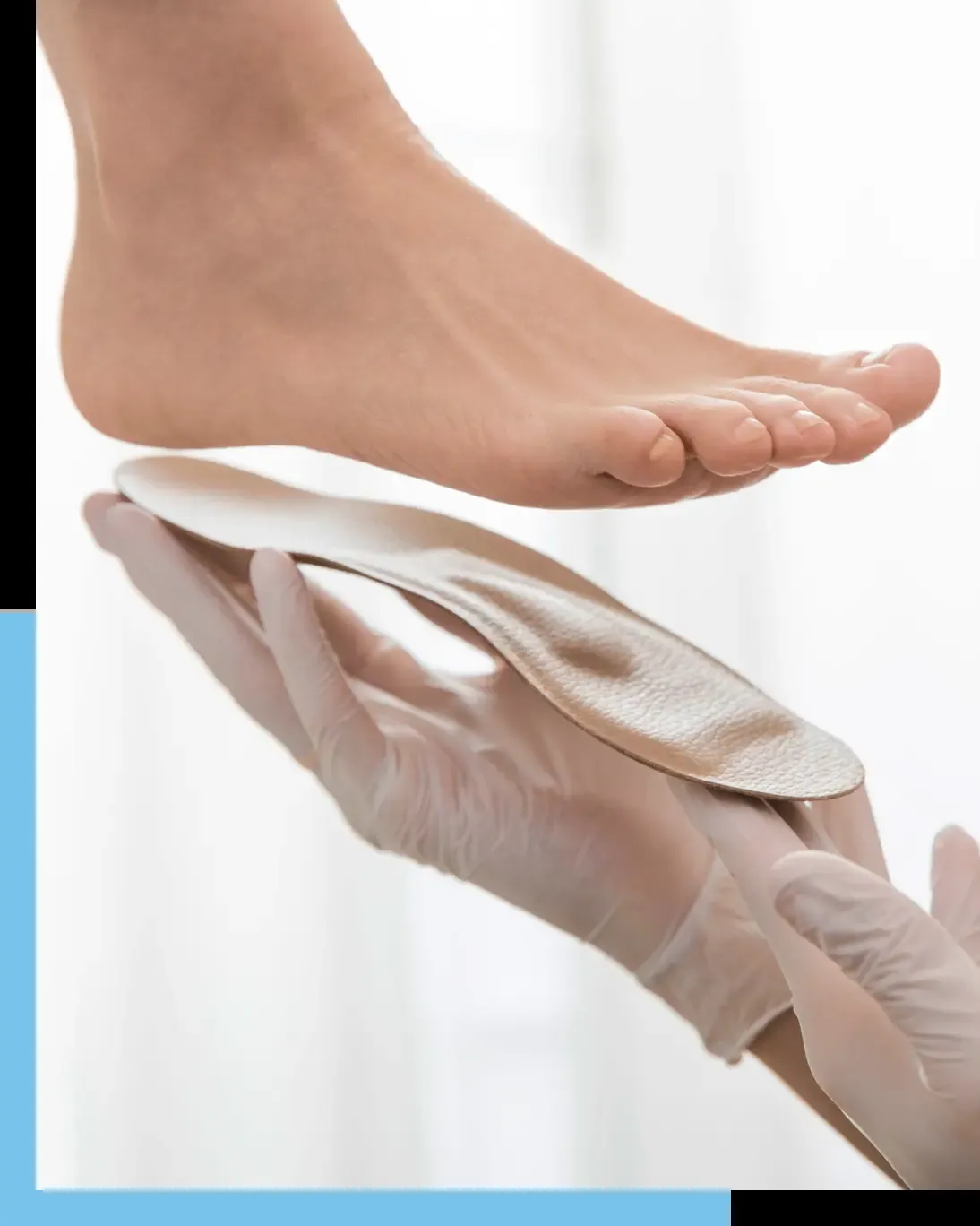
- Custom Orthotics: Devices designed to support the foot's natural alignment, redistribute pressure, and correct biomechanical imbalances. They are particularly useful for conditions like plantar fasciitis, flat feet, or high arches.
- Physical Therapy: Exercises and modalities aimed at improving strength, flexibility, and range of motion in the foot and ankle. This can include stretching, strengthening exercises, and manual therapies to enhance mobility and reduce pain.
- Laser Treatments: Innovative approaches like laser therapy use light energy to stimulate natural healing processes within the body. These treatments are non-invasive and can provide rapid relief from pain and inflammation associated with various foot conditions.
Conservative treatments offer numerous benefits, including reduced risk of complications, shorter recovery times, and lower costs compared to surgery. However, they also have limitations, particularly in treating more severe or chronic conditions that may not respond adequately to non-invasive methods.
Recognizing the Signs for Surgical Intervention
Deciding when to consider surgical intervention can be challenging, as it involves weighing the benefits against potential risks and recovery times. However, there are several indicators that suggest conservative treatments may no longer be sufficient in managing foot conditions effectively. Recognizing these signs is crucial for making informed decisions about treatment options.
A step-by-step guide to assessing when surgery might be necessary includes evaluating pain levels, mobility restrictions, and other symptoms:
- Persistent or Increasing Pain: If pain persists despite conservative treatments or worsens over time, it may indicate a need for surgical intervention. Chronic pain can significantly impact daily activities and quality of life, making it essential to address the underlying cause.
- Mobility Restrictions: Limited range of motion in the foot or ankle that hinders walking, standing, or other movements might suggest a more severe condition requiring surgery. Mobility issues can affect balance, coordination, and overall physical function, necessitating intervention to restore normal movement.
- Frequent Infections or Ulcers: Recurrent infections or ulcers in the feet may indicate underlying conditions like diabetes or vascular problems that require surgical treatment to prevent complications such as amputation.
Regular check-ups and professional evaluations are also vital in determining when surgery might become necessary. Podiatric specialists can assess foot health, monitor condition progression, and recommend appropriate treatments based on individual needs. Early intervention often leads to better outcomes and faster recovery times, emphasizing the importance of regular assessments.
Innovative Surgical Options
When conservative treatments are no longer effective in managing foot conditions, surgical intervention may be necessary to restore function and alleviate symptoms. Fortunately, advancements in medical technology have led to innovative surgical techniques that prioritize minimally invasive procedures with rapid recovery times and reduced discomfort.
One of the most significant advantages of modern surgical options is their ability to minimize tissue damage during operations. This approach involves using smaller incisions, specialized instruments, and advanced imaging technologies to enhance precision and reduce recovery times. As a result, patients experience less post-operative pain, shorter hospital stays, and quicker return to daily activities.
State-of-the-art surgical techniques also incorporate cutting-edge technology like the Remy Laser, which employs Class IV light energy to stimulate natural healing processes within the body. This innovative treatment delivers rapid relief from pain and inflammation associated with various foot conditions while promoting faster recovery times compared to traditional methods. Additionally, minimally invasive procedures ensure effective treatment outcomes without compromising patient comfort or mobility.
Making Informed Decisions: A Collaborative Approach
Choosing the right treatment plan for foot conditions involves a collaborative effort between patients and healthcare providers. This process emphasizes individual needs, preferences, and concerns to tailor care plans that address specific requirements effectively. By working together with podiatric specialists, patients can make informed decisions about their health and well-being.
A comprehensive approach to decision-making includes several key steps:
- Education: Understanding the nature of foot conditions, available treatment options, and potential outcomes is essential for making informed choices. Podiatric specialists provide detailed information about each stage of the condition's progression, helping patients grasp the implications of various treatments.
- Communication: Open dialogue between patients and healthcare providers ensures that all concerns are addressed, questions answered, and expectations managed realistically. Effective communication fosters trust and confidence in treatment plans, promoting better adherence to recommended therapies.
Preventive care and routine assessments play a crucial role in avoiding unnecessary surgical interventions. Regular foot health evaluations help identify potential issues early on, allowing for timely intervention and management before conditions worsen. Additionally, education on maintaining optimal foot wellness through proper hygiene, footwear selection, and lifestyle modifications empowers patients to take proactive steps toward preserving their foot health.
Your Path to Better Foot Health
In summary, understanding when foot surgery is necessary involves recognizing the progression of conditions, evaluating conservative treatments' effectiveness, and considering innovative surgical options. By providing clear explanations of these processes, we aim to empower patients with knowledge that fosters confidence in decision-making about their treatment plans.
At Premiere Pointe Podiatry, our commitment extends beyond treating symptoms—we strive to enhance overall quality of life by addressing the root causes of discomfort. Our team is dedicated to delivering comprehensive podiatric care tailored to individual needs through state-of-the-art treatments and personalized attention. Contact us today to schedule an appointment or learn more about how we can support your journey toward better foot health.
Frequently Asked Questions
When is foot surgery necessary?Foot surgery may become necessary when conservative treatment options have failed to provide relief or improve the condition. Some common signs that indicate a need for foot surgery include:
- Severe, persistent pain that interferes with daily activities and quality of life.
- Deformities, such as bunions or hammertoes, that progress despite conservative treatments like orthotics, medication, or physical therapy.
- Instability or loss of function in the foot or ankle due to conditions like arthritis or tendon damage.
- Infection or gangrene, particularly in diabetic patients, which can lead to serious complications if left untreated.
At Premiere Pointe Podiatry, our skilled podiatric surgeons will carefully evaluate your condition and discuss all available treatment options with you before recommending surgery. Our goal is always to help you achieve the best possible outcome while minimizing risks and promoting a swift recovery.
How do I know if my child needs foot surgery?While most foot problems in children can be treated conservatively, there are instances where surgical intervention may be necessary. As parents, it's essential to recognize the signs that indicate a potential need for foot surgery:
- Persistent pain or limping, despite rest and conservative treatments.
- Visible deformities, such as clubfoot, flat feet, or intoeing/out-toeing.
- Abrasions, calluses, or corns on the bottom of your child's foot, which may indicate an underlying structural issue.
- Difficulty with physical activities or sports due to foot or ankle problems.
At Premiere Pointe Podiatry, our team is experienced in treating children and understands their unique needs. We will work closely with you and your child to determine the best course of action and ensure that they receive the most appropriate care for their growing feet.
What is a minimally invasive foot surgery?A minimally invasive foot surgery is a type of procedure that utilizes smaller incisions, specialized instruments, and advanced techniques to achieve the same or better results as traditional open surgeries. These procedures typically result in less tissue damage, reduced scarring, and faster recovery times.
At Premiere Pointe Podiatry, we specialize in minimally invasive surgical techniques, allowing us to offer our patients the following benefits:
- Smaller incisions and less scarring.
- Faster healing and recovery times.
- Less post-operative pain and discomfort.
- Reduced risk of infection compared to traditional open surgeries.
Our podiatric surgeons are committed to staying at the forefront of technological advancements in foot and ankle surgery, ensuring that our patients receive the most innovative and effective treatments available.
What can I expect during recovery from foot surgery?The recovery process following foot surgery varies depending on the type and extent of the procedure performed. Generally, you can expect the following:
- Rest and elevation: Keep your foot elevated and rest as much as possible to promote healing and reduce swelling.
- Pain management: Your podiatrist will prescribe medication or recommend over-the-counter options to help manage post-operative pain.
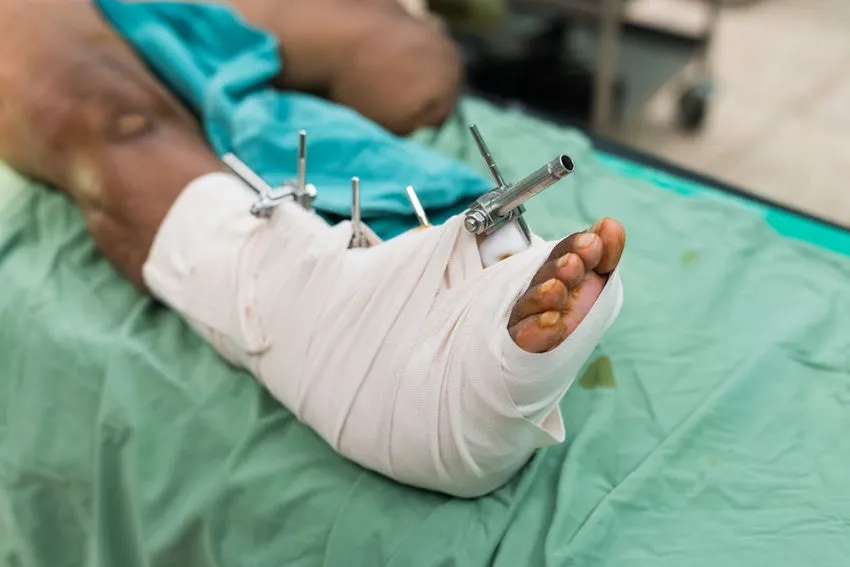
- Immobilization: You may need to wear a cast, brace, or other supportive devices to stabilize the foot and allow it to heal properly.
- Physical therapy: Gentle exercises and stretches may be prescribed to help restore strength, flexibility, and range of motion in the affected area.
At Premiere Pointe Podiatry, we will provide you with detailed post-operative instructions and monitor your progress closely to ensure a smooth and successful recovery. We are committed to supporting you every step of the way as you heal and regain your mobility.
How can I prevent foot problems in the future?Preventing foot problems involves adopting a proactive approach to maintain optimal foot health. Here are some tips from Premiere Pointe Podiatry to help keep your feet healthy and pain-free:
- Wear proper-fitting shoes with adequate support and cushioning.
- Regularly inspect your feet for signs of injury, irritation, or infection.
- Moisturize dry skin to prevent cracking and calluses.
- Avoid walking barefoot, especially on hard surfaces or in public areas.
- Stretch and strengthen the muscles in your feet and legs through regular exercise and physical therapy.
- Maintain a healthy weight to reduce pressure on your feet and ankles.
- Quit smoking, as it can impair blood flow and hinder healing.
Regular check-ups with our podiatry team will also help us detect any potential issues early and provide personalized recommendations to keep your feet in tip-top shape.
What are the most common foot conditions treated at Premiere Pointe Podiatry?Our skilled podiatrists at Premiere Pointe Podiatry have extensive experience treating a wide range of foot and ankle conditions. Some of the most common issues we address include:
- Ankle instability or sprains.
- Arthritis in the feet and ankles.
- Bunions, hammertoes, and other toe deformities.
- Plantar fasciitis (heel pain).
- Diabetic foot care, including nerve damage, circulation issues, and ulcer management.
- Ingrown toenails and fungal infections.
- Tendinitis and tendon tears in the feet and ankles.
We use a combination of conservative treatments and minimally invasive surgical techniques to address these conditions effectively. Our goal is to help you overcome your foot pain and maintain optimal mobility throughout your life.
What is the Remy Laser, and how does it work?The Remy Laser is an advanced laser therapy system used by our podiatrists at Premiere Pointe Podiatry to provide rapid relief from various foot conditions. This state-of-the-art technology harnesses the power of Class IV light energy to stimulate natural healing processes and promote tissue repair:
- Penetrates deep into targeted tissues, reaching areas that other treatments may not.
- Increases blood flow and oxygenation to the treated area, accelerating the body's natural healing response.
- Reduces inflammation and pain by targeting damaged cells and reducing the production of pro-inflammatory cytokines.
Some common foot conditions we treat with Remy Laser therapy include plantar fasciitis, tendonitis, nerve damage, and wound healing. Our team will evaluate your specific needs and determine if laser therapy is an appropriate treatment option for you.
What are custom orthotics, and how can they help me?Custom orthotics are personalized shoe inserts designed to address specific foot or ankle concerns. At Premiere Pointe Podiatry, we create custom orthotics using advanced technology and a thorough assessment of your feet:
- Address biomechanical issues: Custom orthotics help correct improper foot alignment, improving your overall posture and reducing strain on your feet, legs, and back.
- Relieve pain: By redistributing pressure across the bottom of your foot, custom orthotics can alleviate discomfort caused by conditions like plantar fasciitis, heel spurs, and diabetic neuropathy.
- Prevent injuries: Wearing custom orthotics can help prevent future foot problems by promoting healthy foot function and reducing the risk of overuse injuries.
Our podiatrists will work with you to determine if custom orthotics are right for your specific needs. If so, we'll create a personalized treatment plan to ensure that you receive the most effective and comfortable shoe inserts for your feet.
What should I do if I suspect my child has a foot deformity?If you notice any signs of a foot deformity in your child, it's essential to address the issue promptly. Early intervention is crucial for ensuring that their feet develop normally and preventing potential long-term problems:
- Schedule an appointment with our pediatric podiatrist at Premiere Pointe Podiatry.
- Be prepared to discuss any symptoms or concerns you've noticed, as well as your child's medical history.
- Bring along any relevant x-rays or images that may help our podiatrist evaluate the deformity.
Our team will perform a thorough examination of your child's feet and provide an accurate diagnosis. If a foot deformity is present, we'll develop a customized treatment plan to address the issue effectively. This may include conservative treatments like casting, bracing, or physical therapy, as well as surgical intervention in more severe cases.
What sets Premiere Pointe Podiatry apart from other podiatric practices?At Premiere Pointe Podiatry, we pride ourselves on offering our patients an unparalleled level of care and expertise. Some of the key factors that set us apart include:
- A team of highly skilled and experienced podiatrists dedicated to staying at the forefront of industry advancements.
- State-of-the-art technology, such as Remy Laser therapy and advanced diagnostic tools.
- A commitment to minimally invasive surgical techniques for faster healing and reduced scarring.
- A compassionate and supportive environment where each patient feels valued and heard.
- A comprehensive approach to foot care, addressing not only the symptoms but also the underlying causes of foot and ankle issues.
We strive to build lasting relationships with our patients, helping them maintain optimal foot health throughout their lives. When you choose Premiere Pointe Podiatry, you can trust that you're in capable hands.
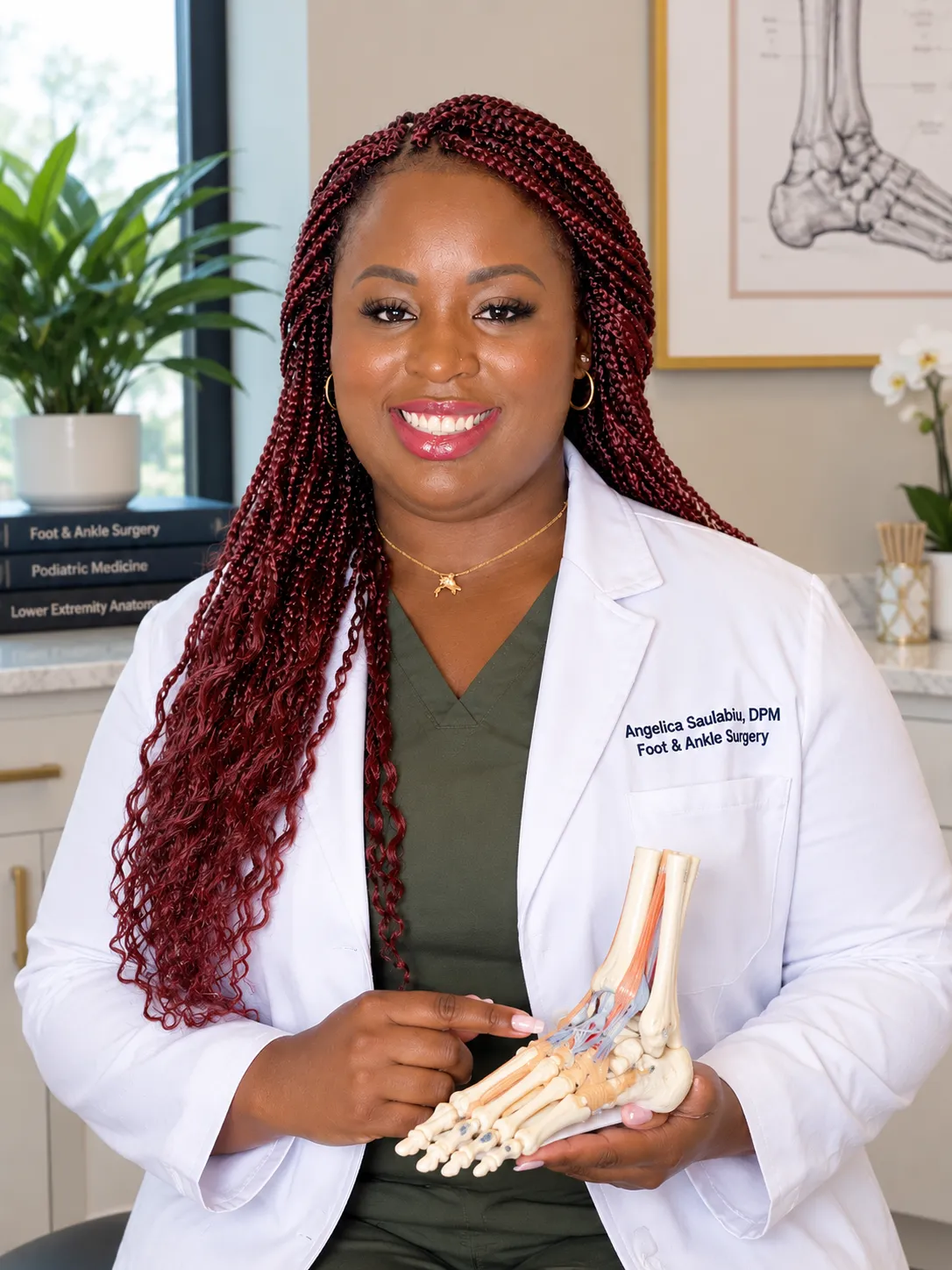
Care From Dr. Angelica Saulabiu, DPM
Dr. Saulabiu is a foot and ankle surgeon who takes time to explain what is going on and what your options are. Most visits include an exam, on-site X-rays when needed and a clear plan before you leave.