
Ball of Foot Pain Treatment in Dickinson, TX
Pain under the ball of the foot can feel like walking on a pebble. Finding the cause, from metatarsalgia to a neuroma, is the key to lasting relief.
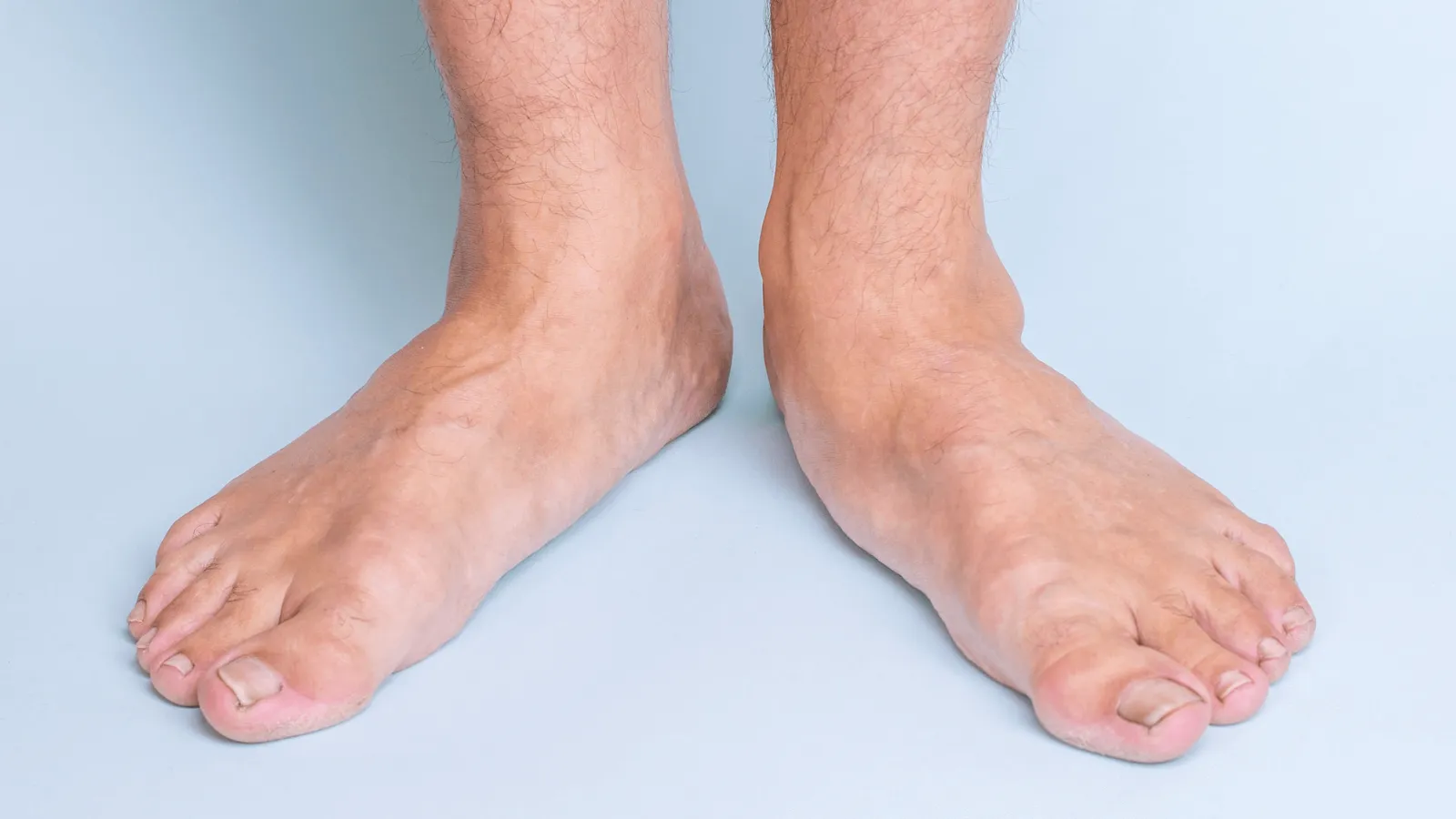
Why the Ball of the Foot Hurts
Our feet carry the weight of our bodies every step of the way, and the ball of the foot takes much of that load when we push off. With about 200,000 nerve endings in each foot, even a minor issue there can feel very painful.
Ball of foot pain, often called metatarsalgia, can come from overuse, a thinning fat pad, a pinched nerve such as a Morton's neuroma, a stress fracture, arthritis, gout or a toe deformity. In some people, nerve problems from the lower back or diabetes cause burning and tingling in the forefoot.
Because so many different problems cause pain in the same small area, it is easy to guess wrong and treat the wrong thing. A neuroma, a stress fracture and a thinning fat pad can feel very similar, but each one needs a different plan. That is why a hands-on exam and X-rays matter.

Symptoms Patients Describe
Pain is the body's natural way of letting you know something is wrong. Whether it is sharp, throbbing or dull, foot pain that sticks around deserves an evaluation. Timely treatment helps prevent a slow decline in foot health and comfort.
You may notice:
- Aching or burning under the ball of the foot
- Sharp or shooting pain that travels into the toes
- A feeling of a pebble or folded sock under the foot
- Numbness or tingling between the toes
- Pain that worsens in high heels or thin-soled shoes
Who Is More Likely to Have It
High-impact activities, long hours standing, high heels, high arches, bunions and hammertoes all shift extra pressure to the forefoot. As we age, the natural fat pad under the ball of the foot can thin, leaving less cushion between the bones and the ground.
People with diabetes should pay special attention to the ball of the foot. Extra pressure there can lead to thick calluses and, over time, wounds that are slow to heal. Regular checks help catch problems early.
How We Treat Forefoot Pain in Dickinson
Many patients feel better quickly once pressure is taken off the painful area. If you have tried softer shoes and over-the-counter inserts without lasting relief, a visit to our Dickinson office can help sort out what is really going on.
Dr. Saulabiu will pinpoint where the pain is coming from with an exam and on-site X-rays. Treatment may include:
- Padding and footwear changes to take pressure off the area
- Custom orthotics to redistribute weight across the foot
- Fat pad injections to restore cushioning under the ball of the foot
- Class IV laser therapy to reduce pain and inflammation
- Surgery, often minimally invasive, for a neuroma or deformity that does not respond to conservative care
Care From Dr. Angelica Saulabiu, DPM
Dr. Saulabiu is a foot and ankle surgeon who takes time to explain what is going on and what your options are. Most visits include an exam, on-site X-rays when needed and a clear plan before you leave.
Frequently Asked Questions
What is a Morton's neuroma?
It is a thickened nerve, usually between the third and fourth toes, that causes burning, numbness or a pebble-like feeling. It is a common cause of ball of foot pain.
Can shoes cause ball of foot pain?
Yes. High heels and thin, narrow shoes push weight onto the forefoot. A wider toe box and better cushioning often help a lot.
What are fat pad injections?
They add cushioning under the ball of the foot where the natural fat pad has thinned, which can ease pain with each step.
Related Care
Neuropathy
Burning, tingling or numbness in the feet, with care that protects your long-term foot health.
Learn MoreHigh-Arched Feet
Arches that sit too high, causing pressure pain and unstable ankles, supported and treated.
Learn MoreCustom Orthotics
Shoe inserts made for your feet to ease heel, arch and ball-of-foot pain.
Learn MoreStress Fractures
Small cracks in the bone from repeated stress, diagnosed early and healed properly.
Learn More