
Athlete's Foot Treatment in Dickinson, TX
Itching, burning and peeling between the toes is usually athlete's foot. Proper treatment clears the skin and helps keep the fungus out of your toenails.
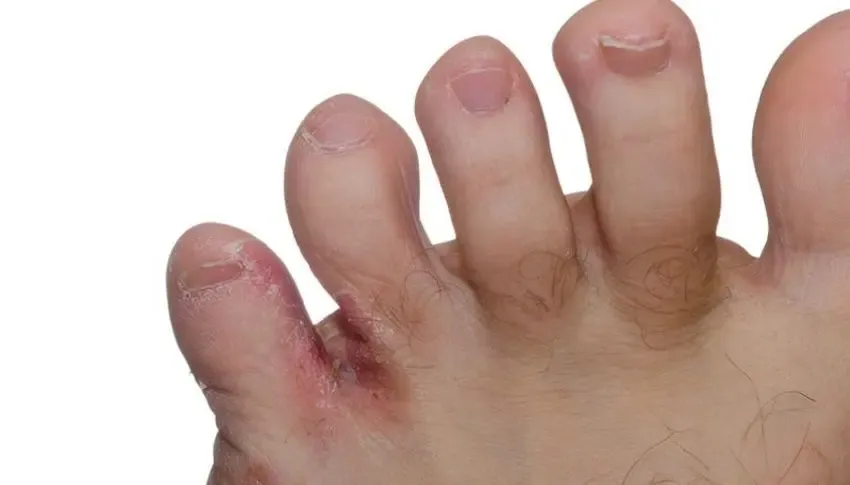
What Is Athlete's Foot?
Athlete's foot, or tinea pedis, is a common fungal infection of the skin on the feet. The fungus thrives in warm, damp places like sweaty shoes, locker rooms, gym floors and pool decks. You don't have to be an athlete to get it, and it is especially common in our warm, humid Gulf Coast climate.
Athlete's foot is contagious and can spread to the toenails, where it becomes a fungal nail infection that is much harder to clear.
Despite the name, athlete's foot affects people of all ages and activity levels. It often starts between the fourth and fifth toes, where skin stays warm and moist, and can spread across the sole or to the hands if you scratch.
Symptoms of Athlete's Foot
Itching that keeps you up at night, skin that cracks and bleeds or a rash that keeps coming back after over-the-counter creams are all good reasons to have your feet checked.
Look for:
- Itching, stinging or burning between the toes or on the soles
- Peeling, cracking or scaling skin
- Redness and raw skin, especially between the toes
- Small blisters on the feet
- Dry, flaky skin along the sides and bottom of the foot
How It Spreads and How to Prevent It
The fungus spreads by contact with infected skin or contaminated floors, towels and shoes. Keeping feet clean and dry, changing socks when they get damp, rotating shoes so they dry out and wearing sandals in shared showers all help. Cracked skin from athlete's foot can let bacteria in, which is a bigger concern if you have diabetes.
Sweaty feet are common in our climate, so moisture-wicking socks and breathable shoes make a real difference. Letting shoes dry fully between wears and using an antifungal powder can help keep the fungus from coming back.
Treatment That Clears It Up
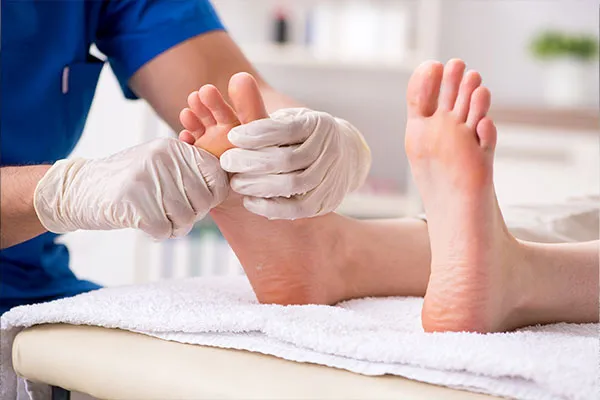
Patients in Dickinson often come in after months of trying different creams. A visit confirms whether it is really a fungus and gets the right treatment started. Dr. Saulabiu will also check your nails, since untreated nail fungus is a common reason athlete's foot keeps returning, and she will give you a simple plan to keep your feet clear afterward.
Mild cases often respond to over-the-counter creams, but if the rash keeps coming back or does not improve in a couple of weeks, Dr. Saulabiu can help. Care may include:
- Confirming the diagnosis, since eczema and other rashes can look similar
- Prescription-strength topical or oral antifungal treatment when needed
- Guidance on shoe, sock and hygiene habits to prevent reinfection
- Checking and treating any spread to the toenails, including laser toenail fungus treatment
- Extra monitoring for patients with diabetes

Care From Dr. Angelica Saulabiu, DPM
Dr. Saulabiu is a foot and ankle surgeon who takes time to explain what is going on and what your options are. Most visits include an exam, on-site X-rays when needed and a clear plan before you leave.
Frequently Asked Questions
Is athlete's foot contagious?
Yes. It spreads through contact with infected skin or wet surfaces like shower floors, so avoid sharing towels and shoes.
Why does my athlete's foot keep coming back?
Fungus can linger in shoes and toenails. Treating the nails, drying out shoes and finishing the full course of treatment all help.
Can athlete's foot be serious?
Usually not, but cracked skin can let bacteria in. People with diabetes or poor circulation should have it checked promptly.
Related Care
Toenail Fungus
Thick, discolored or brittle nails treated with laser care and nail restoration.
Learn MorePlantar Warts
Stubborn, painful warts on the soles of the feet, treated safely in the office.
Learn MoreDiabetic Foot Care
Regular exams and early care that help prevent diabetic ulcers and infections.
Learn MoreRoutine Foot Care
Nail care, corns, calluses and foot checks that keep small problems from growing.
Learn More