Comprehensive Podiatry Care in Webster

February 27, 2025
Your feet support you with every step you take, yet many people overlook proper foot care until pain or discomfort shows up. Whether you have chronic foot pain, are recovering from an injury, or have a medical condition that affects your feet, care from a podiatrist near Webster can make a real difference to your mobility and quality of life. Podiatry is the branch of medicine focused on the diagnosis, treatment and prevention of foot and ankle conditions. Here is why podiatric care matters, which problems are most common, and how a podiatrist can help you keep your feet healthy for the long term.
What Is Podiatry?
Podiatry focuses on the feet, ankles and lower legs. A podiatrist, or foot doctor, is trained to treat a wide range of lower-limb conditions, from common issues like bunions and plantar fasciitis to more complex problems such as diabetic foot complications or fractures.
Podiatrists train in surgery, sports medicine, orthopedics and wound care. The goal is to treat today's foot and ankle problems and to provide preventive care that keeps patients mobile and pain-free.
Why Early Podiatric Care Matters in Webster
Living in Webster likely means you are active, whether you are walking around the community, spending time outdoors or working. Foot problems can show up at any time and can seriously affect daily life. Many people put off care, thinking foot pain is just part of life or will go away on its own. That often leads to worse symptoms and more complicated problems later.
Seeing a podiatrist when foot pain starts allows early diagnosis and treatment. Foot problems rarely resolve without care and often get worse over time, so early treatment helps before the problem escalates.
Common Foot and Ankle Conditions We Treat
Foot doctors treat everything from minor irritations to serious medical concerns. These are some of the most common:
Bunions
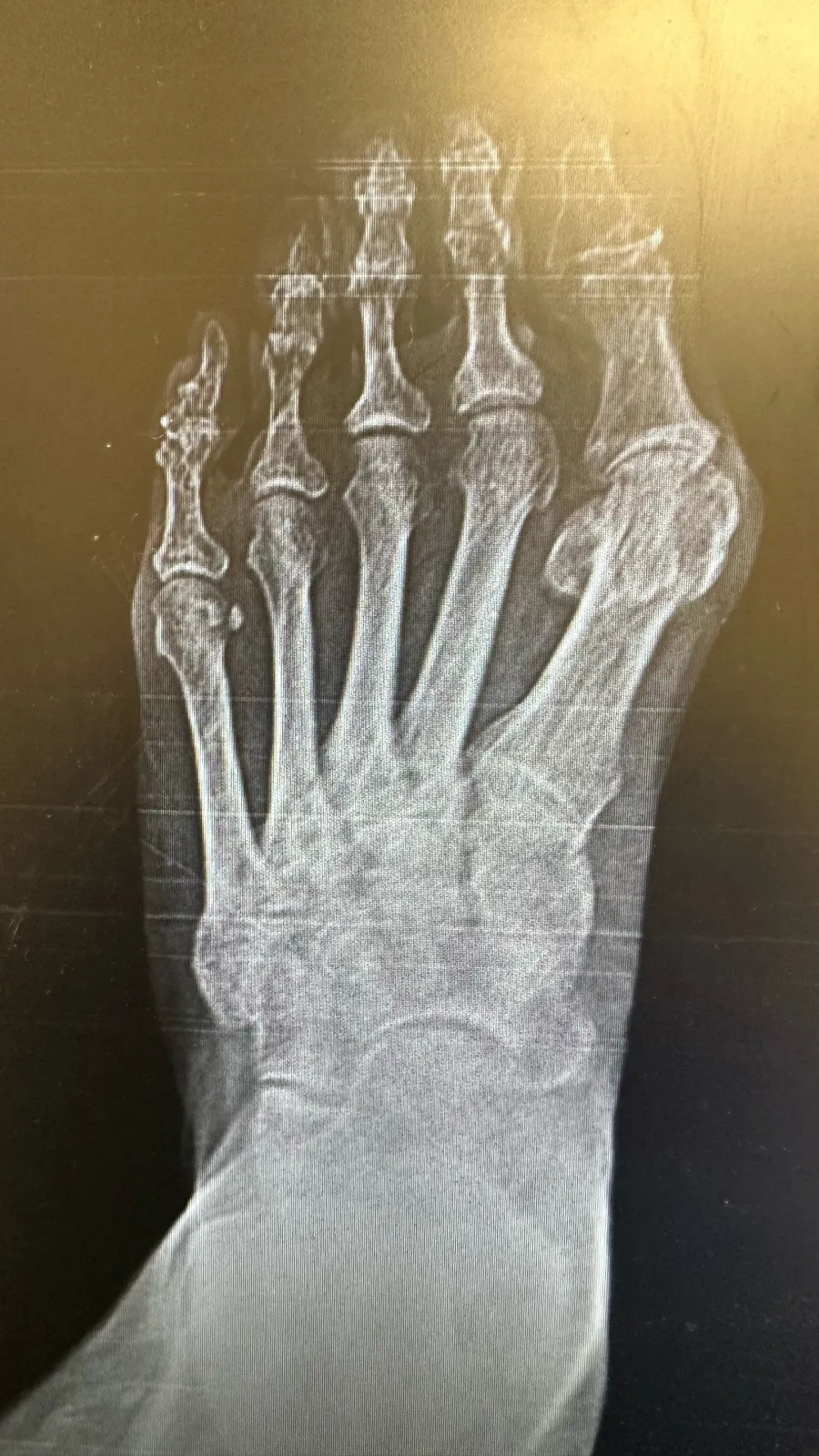
A bunion is a bony bump at the base of the big toe that can cause pain and make shoes hard to wear. Tight shoes, abnormal foot mechanics and arthritis can all play a part. A podiatrist can assess the bunion and recommend proper footwear or custom orthotics, and in some cases surgery to restore alignment. Learn about bunion treatment.
Plantar Fasciitis
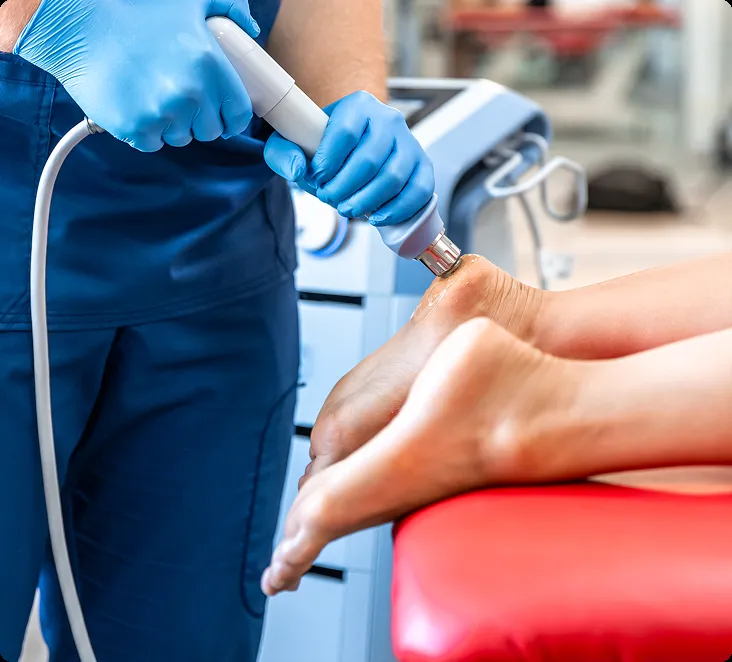
Plantar fasciitis is one of the most common causes of heel pain. The thick band of tissue along the bottom of the foot becomes inflamed, often from repetitive stress, poor footwear or sudden changes in activity. It typically causes sharp heel pain with the first steps in the morning. Treatment can include physical therapy, custom orthotics and injections.
Diabetic Foot Care
Diabetes can cause poor circulation, nerve damage and slow wound healing. Left untreated, these can lead to infection and serious complications, including amputation. Regular podiatry visits let us monitor foot health, treat wounds and recommend prevention. See our diabetic foot care.
Achilles Tendonitis
Achilles tendonitis is an overuse injury of the large tendon connecting the calf muscles to the heel. It causes pain and swelling at the back of the heel and is common in athletes and people in high-impact activities. Treatment includes rest, physical therapy, orthotics and, in severe cases, surgery. Read about Achilles tendinitis.
Flat Feet
Flat feet, or fallen arches, happen when the arch collapses and the whole sole touches the ground. This can cause pain in the feet, ankles, knees and lower back. Custom orthotics, stretching and small lifestyle changes help reduce the strain. Learn about flat feet.
Hammertoes
A hammertoe bends downward at the joint so the toe looks like a hammer. Tight shoes or muscle and tendon imbalances are common causes. Treatment starts with shoe changes, custom orthotics and toe exercises, and surgery may be needed in severe cases. See hammertoe treatment.
How a Podiatrist Can Help You
Your first visit starts with a thorough evaluation, usually a physical exam and sometimes X-rays or other imaging to find the cause of your symptoms. From there, your podiatrist builds a treatment plan for your needs.
For many conditions, conservative care comes first: physical therapy, custom orthotics, anti-inflammatory medication or footwear changes. If these do not bring enough relief, injections or surgery may be considered.
Podiatrists also play a big role in prevention. Regular check-ups catch problems early, and your podiatrist can advise on foot care, strengthening exercises and footwear. For people with diabetes, regular visits are essential.
When Should You See a Podiatrist?
See a podiatrist as soon as you notice foot or ankle pain, discomfort or other symptoms, whether the problem is new or something you have lived with for a while. If you have diabetes or another condition that affects your feet, regular visits help catch problems early.
If you have hurt your foot or suspect a fracture, a prompt visit matters. Untreated injuries can lead to long-term complications.
At Premiere Pointe Podiatry, we provide personalized podiatric care to residents of Webster and the surrounding area. Explore our podiatry services, read more about our care for Webster patients, and book a visit to take the first step toward healthier, pain-free feet.
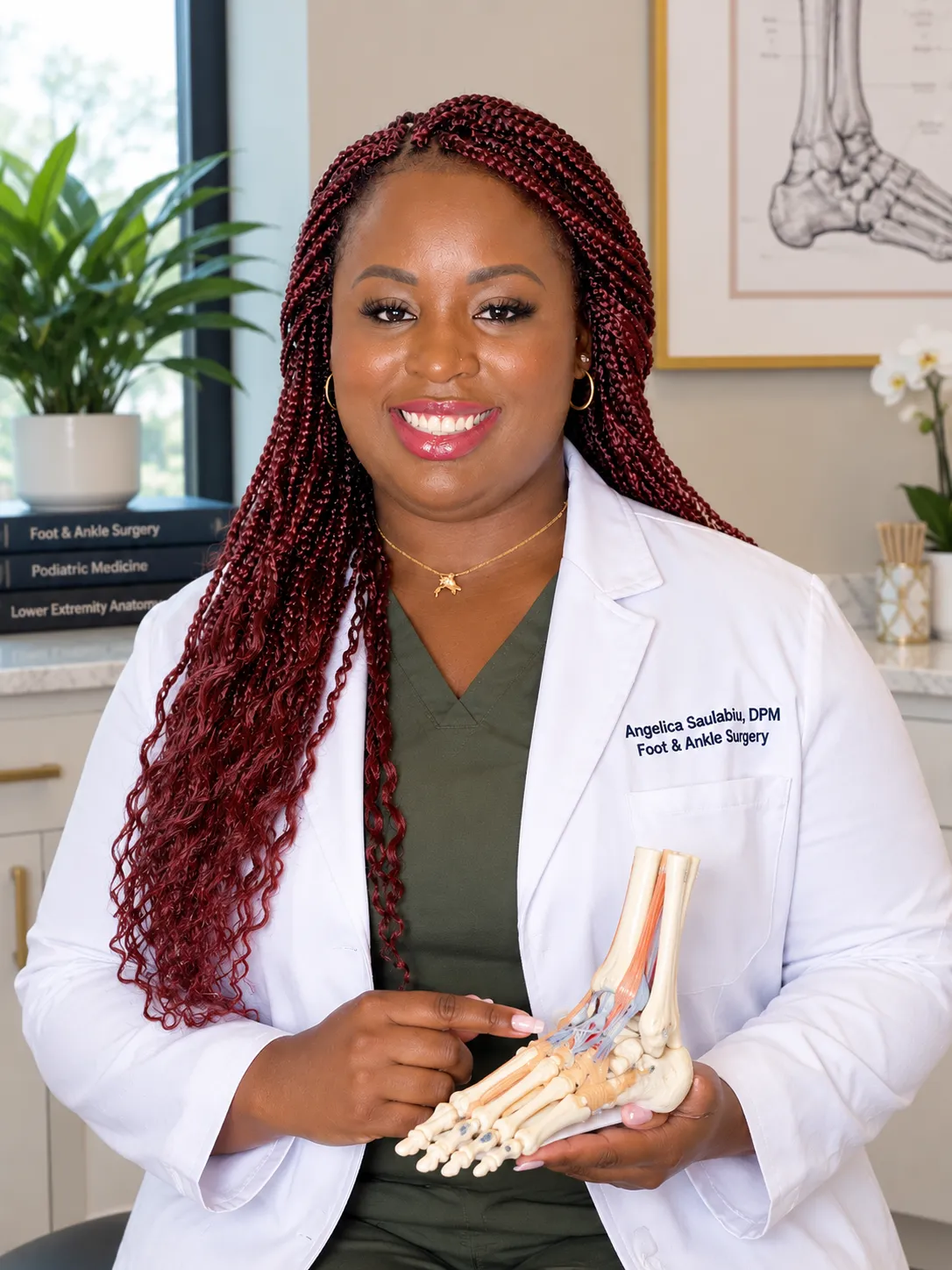
Care From Dr. Angelica Saulabiu, DPM
Dr. Saulabiu is a foot and ankle surgeon who takes time to explain what is going on and what your options are. Most visits include an exam, on-site X-rays when needed and a clear plan before you leave.