
Hammertoe Treatment in Dickinson, TX
A hammertoe bends at the middle joint and can rub painfully in shoes. Treated early, while the toe is still flexible, it is much easier to manage.
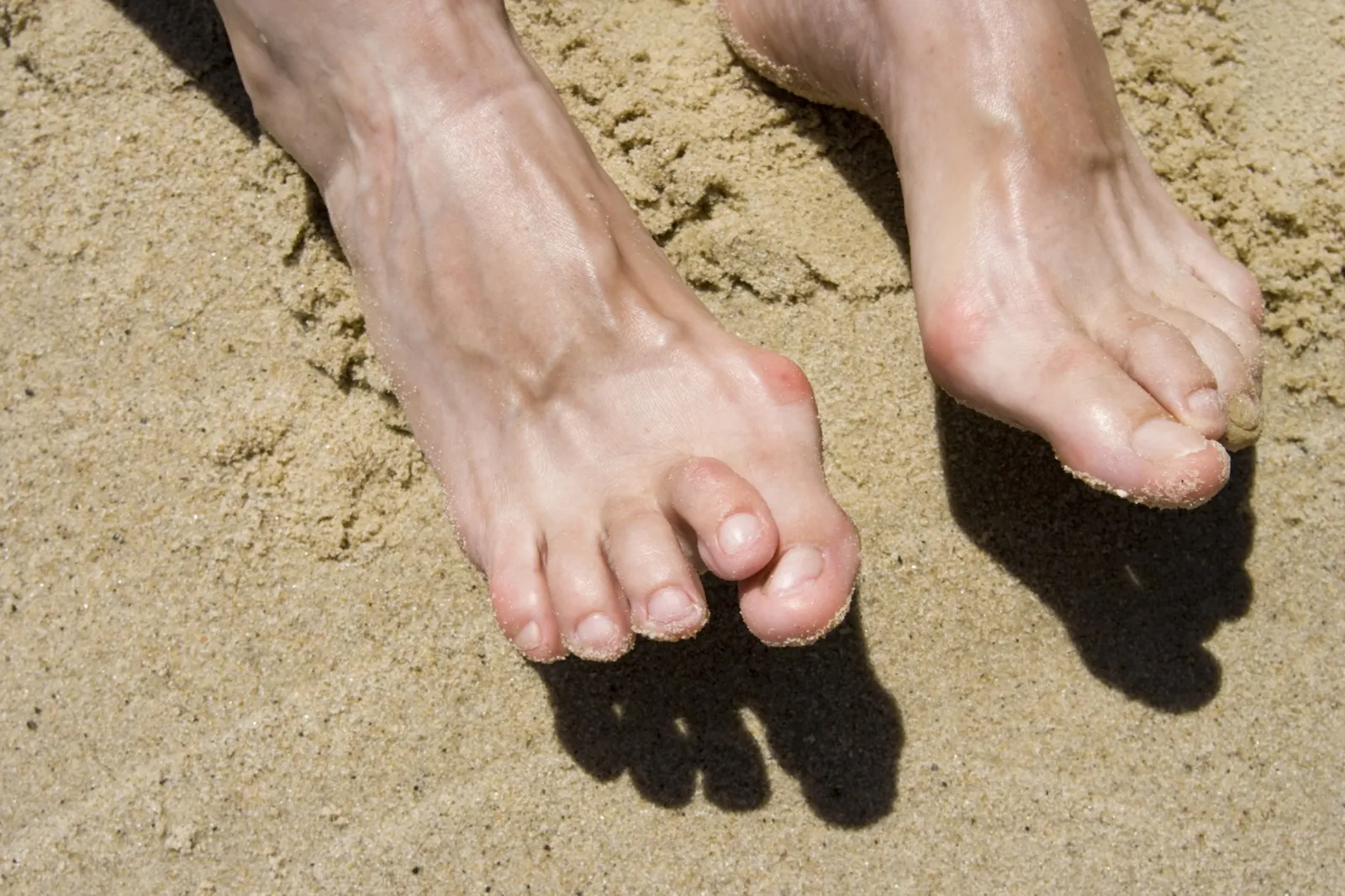
What Is a Hammertoe?
A hammertoe is one of the most common toe deformities we see. Just as the name suggests, the toe bends at its middle joint, giving it a hammer or claw-like shape. Hammertoes can affect any of the smaller toes but most often involve the second and third toes. They are more common in women, but men get them too.
In the early stages, the joint is still flexible. Left untreated, the toe becomes more rigid and less responsive to conservative care.
A similar condition called claw toe bends the toe at more than one joint, and mallet toe bends the joint closest to the tip. All of these can cause pain and rubbing in shoes, and Dr. Saulabiu treats each of them with the same careful approach.

Signs and Symptoms
Early hammertoes may only be bothersome in certain shoes. Over time, though, the bend can become fixed and painful even in roomy footwear. Paying attention to the first signs gives you the most treatment options.
Hammertoes can cause:
- A visible bend at the middle joint of the toe
- Pain or discomfort while walking or moving the toe
- Corns or calluses on top of the toe or on the ball of the foot
- Redness, swelling or irritation where the toe rubs your shoe
- Trouble finding shoes that fit comfortably
Why Toes Start to Bend
Hammertoes are often linked to tight, ill-fitting shoes or high heels that squeeze the toes into a bent position. They can also run in families, develop alongside a bunion or be caused by arthritis in the toe joint. Muscle imbalances in the foot play a role as well.
Because hammertoes are so often linked to shoes, they are a common problem for people who wear dress shoes or heels for work. If a bunion is pushing your second toe out of place, treating both together may give the best result.
Treating Hammertoes
Dr. Saulabiu will explain what each option involves and how long recovery takes so you can choose what fits your life. Many patients in Dickinson find that a mix of better shoes, padding and orthotics keeps them comfortable for a long time.
Dr. Saulabiu considers how severe the bend is, your health, your activity level and other factors before recommending care:
- Strategically placed padding to protect the toe
- Shoes with a roomy toe box
- Custom orthotics to improve foot balance
- Splinting to help hold a flexible toe in a better position
- Anti-inflammatory medication as needed
- Minimally invasive surgery to straighten the toe when it is rigid or painful, sometimes combined with other procedures when a bunion is also present
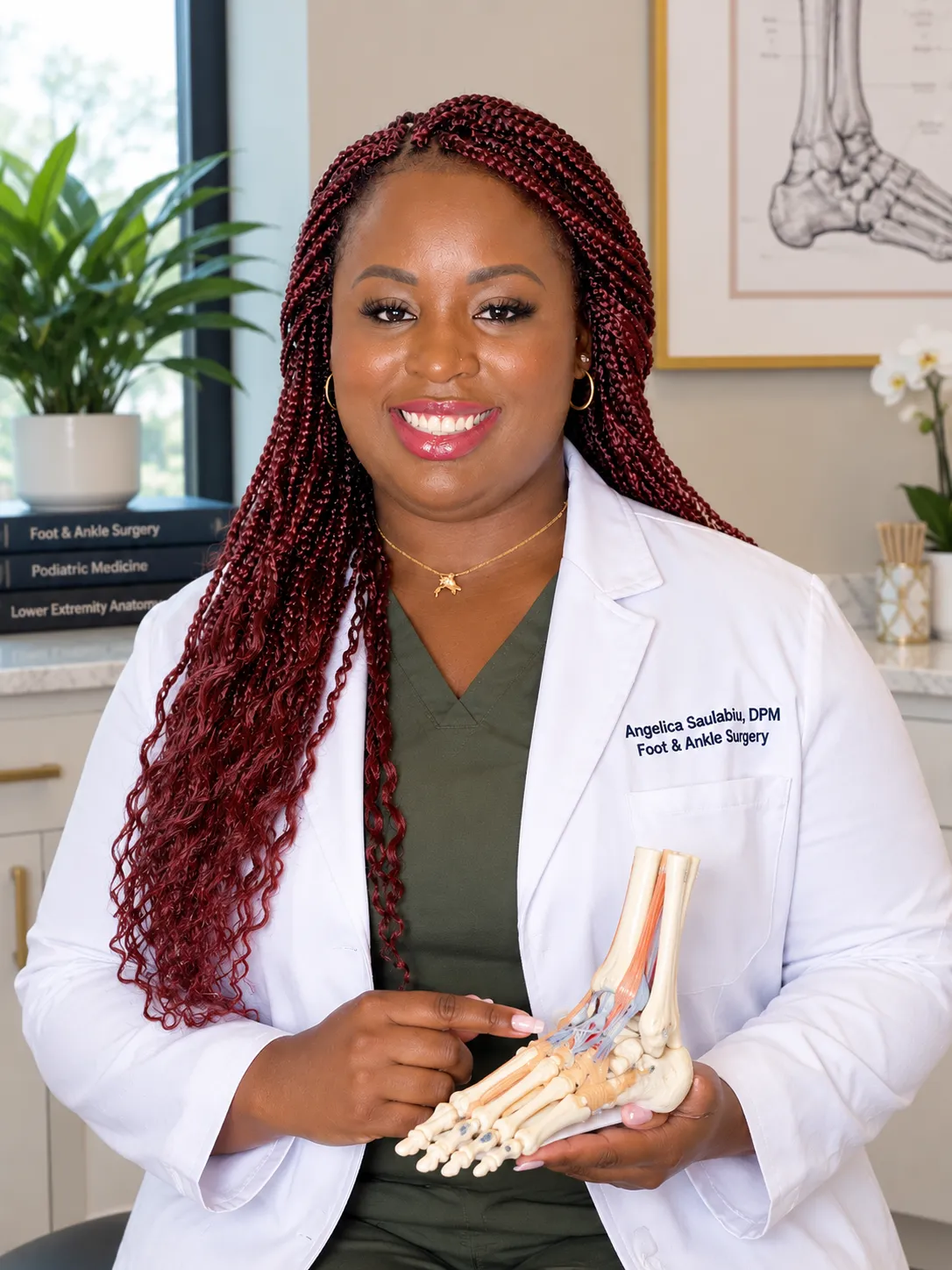
Care From Dr. Angelica Saulabiu, DPM
Dr. Saulabiu is a foot and ankle surgeon who takes time to explain what is going on and what your options are. Most visits include an exam, on-site X-rays when needed and a clear plan before you leave.
Frequently Asked Questions
Can a hammertoe be straightened without surgery?
A flexible hammertoe can often be managed with padding, shoes, orthotics and splinting, though these relieve symptoms more than reverse the bend.
Is hammertoe surgery painful?
Minimally invasive techniques use small incisions, which usually means less discomfort and a faster recovery than traditional surgery.
Why do I keep getting corns on my toes?
A corn on top of a toe is often a sign of a hammertoe rubbing your shoe. Treating the toe position helps stop the corns from returning.
Related Care
Bunions
A painful bump at the big toe joint, treated with conservative care or minimally invasive surgery.
Learn MoreCorns and Calluses
Hard, painful skin from pressure and friction, safely trimmed and prevented.
Learn MoreMinimally Invasive Foot Surgery
Smaller incisions, often no hardware and a faster return to your routine.
Learn MoreCustom Orthotics
Shoe inserts made for your feet to ease heel, arch and ball-of-foot pain.
Learn More