
Ingrown Toenail Treatment in Dickinson, TX
A painful ingrown toenail can make every shoe feel too tight. Most can be fixed with a minor in-office procedure, often in a single visit.
What Is an Ingrown Toenail?
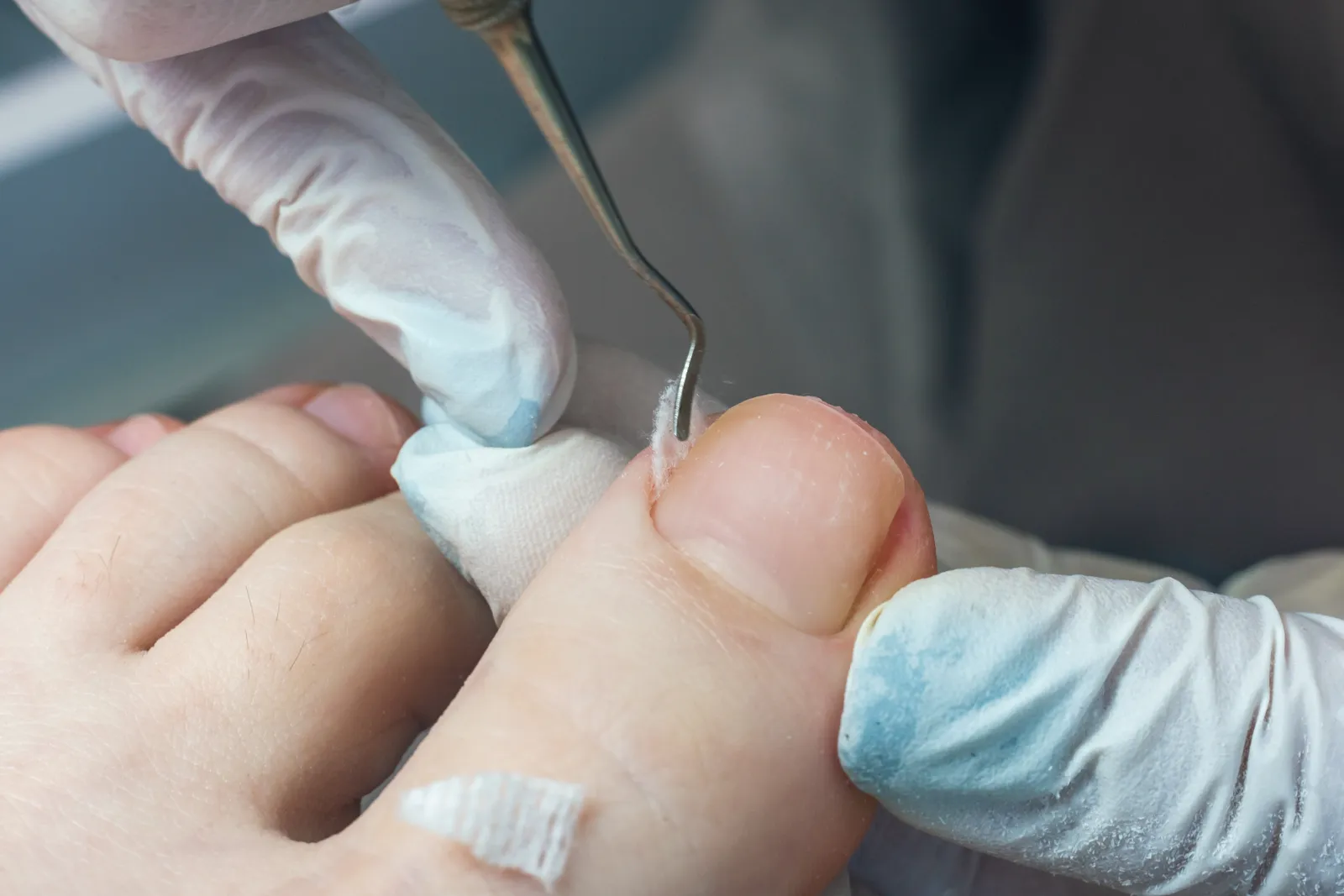
An ingrown toenail happens when the edge of the nail grows into the skin at the end or side of the toe. It may not hurt at first, but as the nail keeps digging in, it can cause growing irritation, redness, swelling and pain. Some people find they can only wear open-toed shoes.
Extra skin and tissue can build up around the ingrown edge, and once the nail breaks the skin, bacteria can enter and cause an infection.
Ingrown toenails are common at every age, from teenagers in tight athletic shoes to older adults whose nails have become thick and curved. The big toe is the most common spot, but any toe can be affected.
Signs of an Ingrown Nail
Soaking, cotton under the nail and cutting a V in the nail are popular home remedies, but they rarely solve the problem and can make infection more likely. If the toe is red, swollen or draining, it is time to be seen.
Watch for:
- Pain and tenderness along the side of the nail
- Redness and swelling around the toe
- Drainage, pus or a bad smell, which can signal infection
- Overgrown, raw skin along the nail edge
- Pain when wearing shoes or when something presses on the toe
What Causes It
Children and teens get ingrown toenails often, especially if they play sports or are growing quickly and their shoes have become snug. Teaching the right way to trim nails, straight across and not too short, is one of the best ways to keep the problem from coming back.
Common causes of ingrown toenails include:
- Trimming nails too short or rounding the corners
- Heredity and naturally curved nails
- Injury to the toe
- Tight or improper footwear
- Nail disorders such as fungus
- Faulty foot mechanics
Gentle, Quick Treatment in Our Office
The safest approach is to see a podiatrist rather than trying bathroom surgery at home. This is especially important if there is infection, or if you have diabetes, nerve damage, poor circulation or a weakened immune system.
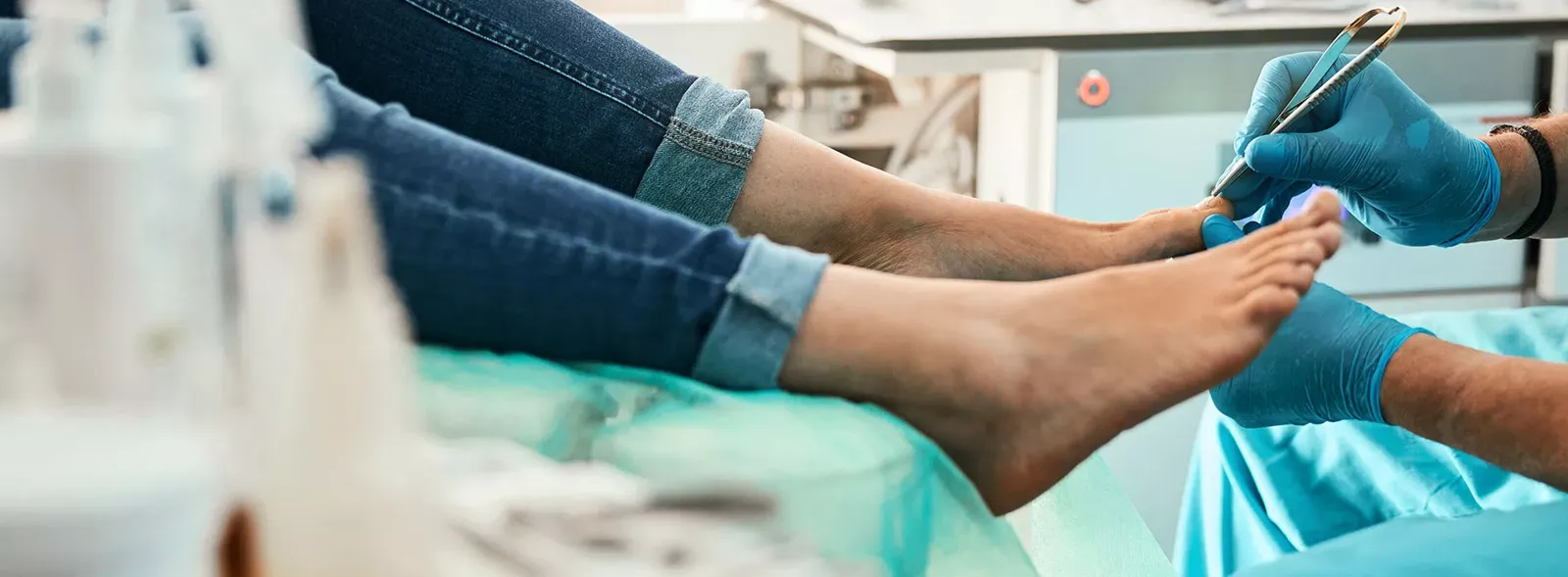
Most ingrown toenails can be fixed with a minor in-office procedure. After numbing the toe, Dr. Saulabiu removes the problem edge of the nail. For nails that keep coming back, she can treat the nail root so that edge does not regrow. The extent of the procedure depends on how severe the problem is and whether it is a repeat issue. Children and adults are both welcome, and walk-ins are accepted at our Dickinson office.
After the procedure, you will go home with simple care instructions. Most people are surprised by how quickly the pain goes away once the nail edge is removed, and how much easier it is to wear regular shoes again.
Care From Dr. Angelica Saulabiu, DPM
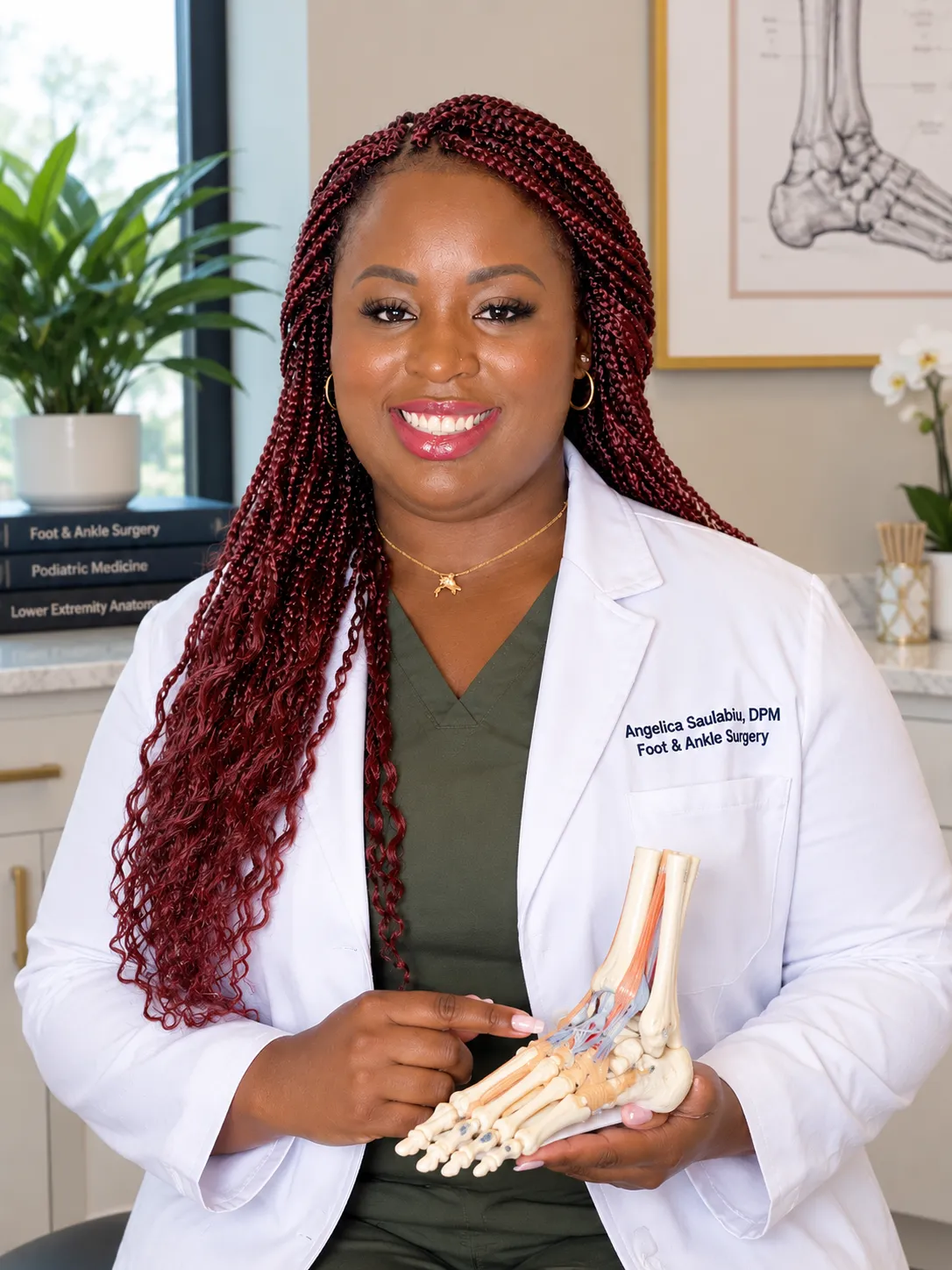
Dr. Saulabiu is a foot and ankle surgeon who takes time to explain what is going on and what your options are. Most visits include an exam, on-site X-rays when needed and a clear plan before you leave.
Frequently Asked Questions
Does ingrown toenail removal hurt?
The toe is numbed first, so most patients feel only the injection. Soreness afterward is usually mild.
How long does recovery take?
Most people return to normal shoes and activities within a few days, with full healing over a couple of weeks.
Will my ingrown toenail come back?
It can, especially if it is a repeat problem. Treating the nail root along the ingrown edge greatly lowers the chance it returns.
Related Care
Toenail Fungus
Thick, discolored or brittle nails treated with laser care and nail restoration.
Learn MoreRoutine Foot Care
Nail care, corns, calluses and foot checks that keep small problems from growing.
Learn MoreDiabetic Foot Care
Regular exams and early care that help prevent diabetic ulcers and infections.
Learn MoreCosmetic Nail Enhancement
Medically guided care that helps damaged or discolored toenails look natural again.
Learn More